 US Politics
 10 Leaders in U.S. History Who Received the Most Criticism
The U.S. presidency carries enormous responsibility. Decisions made in the Oval Office shape wars, economies, civil rights, and America’s role on the global stage. While some presidents are remembered as visionary leaders, others are criticized for failed policies, poor judgment, or mismanagement during crises. Evaluating presidential performance is never simple, but history consistently highlights leaders whose choices had lasting negative consequences.
Andrew Johnson (1865–1869)
Taking office after Lincoln’s assassination, Johnson faced the delicate task of Reconstruction. Yet his resistance to civil rights legislation and leniency toward former Confederate leaders slowed progress for freed African Americans. Clashing with Congress, he was impeached for violating the Tenure of Office Act, narrowly escaping removal. Johnson’s presidency is widely regarded as a failure that delayed racial equality.
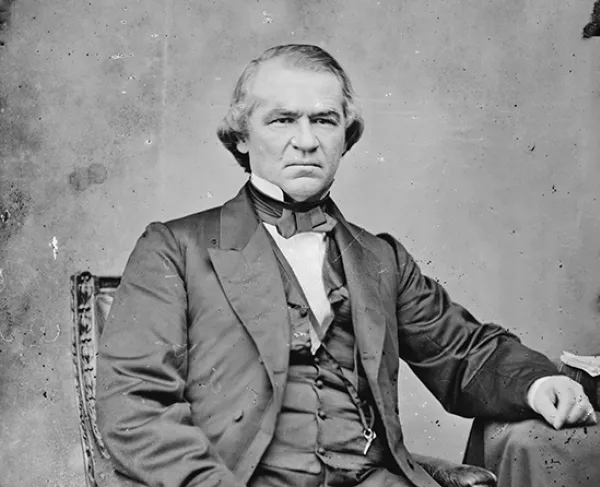
James Buchanan (1857–1861)
Buchanan’s leadership before the Civil War is criticized for inaction. He failed to prevent Southern secession and supported pro-slavery policies like the Lecompton Constitution in Kansas. His reluctance to confront the nation’s growing divide left the Union unprepared for the coming conflict.
Herbert Hoover (1929–1933)
Hoover faced the Great Depression, but his limited government approach failed to provide adequate relief. Unemployment soared, banks collapsed, and public confidence plummeted, highlighting the dangers of rigid economic ideology during a national crisis.
Richard Nixon (1969–1974)
Despite diplomatic wins like opening relations with China, Nixon’s legacy is overshadowed by Watergate. His abuse of power and efforts to cover up illegal activity led to his resignation and left a permanent mark on public trust in government.
 Up Next: Page 2 of 2
Andrew Jackson (1829–1837)Jackson expanded democracy for white men but enforced the Indian...
George W. Bush (2001–2009)Bush’s presidency was defined by 9/11, the War on Terror, and the Iraq invasion. Questionable intelligence, prolonged conflicts, and...
Continue Reading