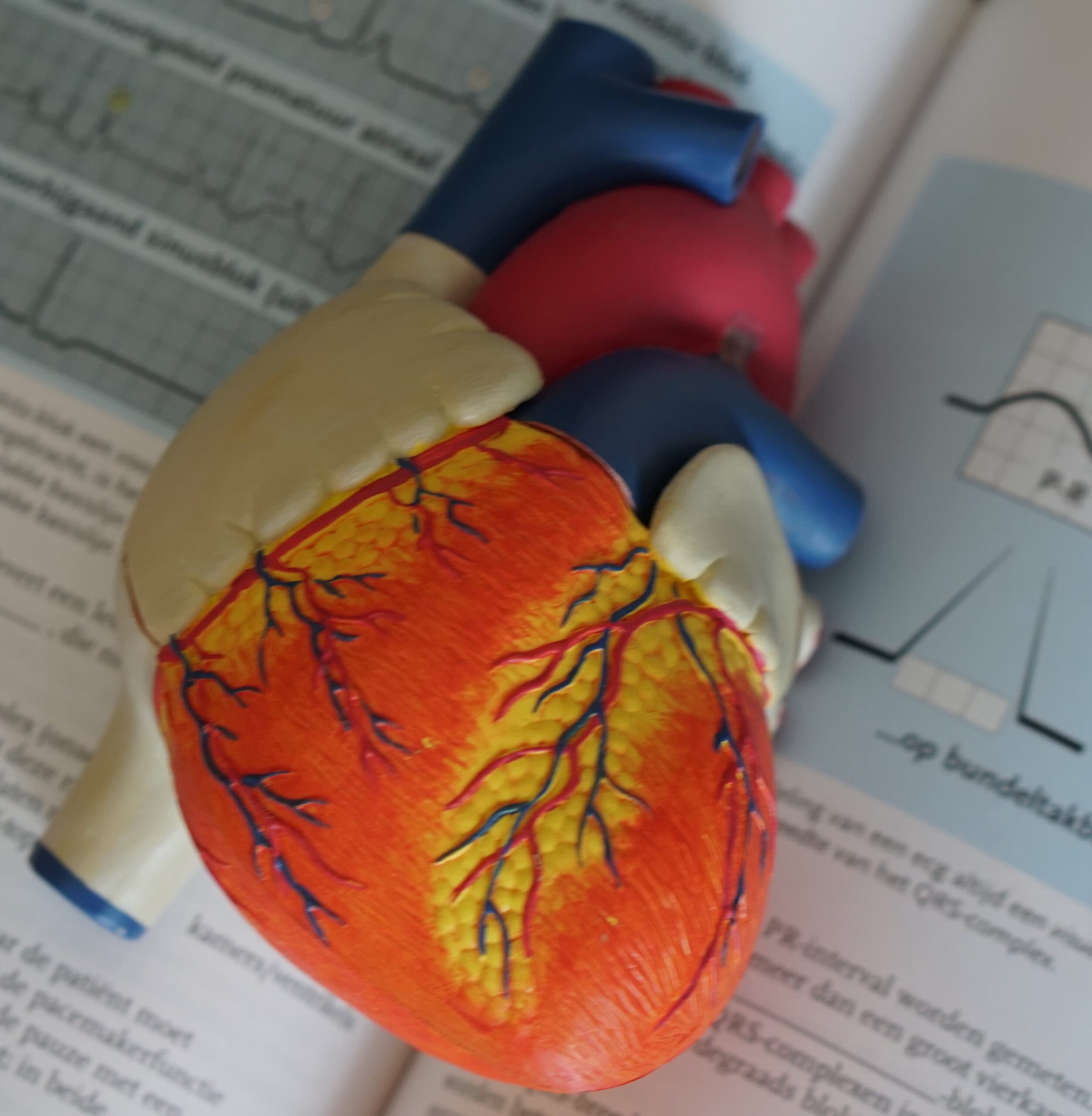
Habits After Eating and Before Bed That Can Raise Stroke Risk
Your body works hard after a meal to balance blood sugar and insulin. At night, it shifts into repair mode—lowering blood pressure and preparing for the next day. Certain habits, especially before bedtime, can interfere with these processes, raising your risk of heart disease and stroke.

1. Don’t Lie Down Immediately After Eating
Napping or lying down after a meal feels good but can cause acid reflux and disrupt sleep. Stay upright for 2–3 hours after eating, and avoid heavy meals close to bedtime.
2. Take a Short Walk
Even a 10-minute walk after dinner can help lower blood sugar spikes, according to a Scientific Reports study. Regular walking supports healthy weight, blood pressure, and cholesterol—key factors in reducing stroke risk.
3. Avoid Bathing Right After Eating
Blood flows to your stomach to digest food. Taking a bath immediately after a meal diverts blood to your skin, which weakens digestion and stresses your heart. In extreme cases, this can lead to dizziness or even heart complications.
4. Skip Alcohol Before Bed
A glass of wine may seem harmless, but drinking before bedtime can raise nighttime blood pressure and disrupt sleep. Heavy or frequent drinking increases the risk of hypertension, arrhythmia, and stroke.
5. Don’t Eat Dinner Late
Late-night meals force your digestion and insulin to work while your body is winding down. This can raise blood sugar, cause reflux, and interfere with sleep. If you must eat late, keep it light and finish 2–3 hours before bed.
6. Maintain a Regular Sleep Schedule
Irregular sleep patterns increase your risk of heart disease and stroke, even if you get enough total sleep. Aim for 7–9 hours of sleep per night and stick to a consistent bedtime and wake-up time. Build a calming routine—reading, showering, or light stretching—to signal your body it’s time to rest.
7. Limit Caffeine in the Evening
Caffeine consumed even six hours before bedtime can affect sleep quality. Avoid coffee, energy drinks, or caffeinated teas in the late afternoon to support better sleep and heart health.
Bottom Line
Simple adjustments to your evening habits—walking after dinner, avoiding late meals or alcohol, keeping a regular sleep schedule—can dramatically reduce your risk of stroke and support long-term heart and brain health.
Share this article with your friends and family on Facebook. Small changes tonight can protect the people you love tomorrow.