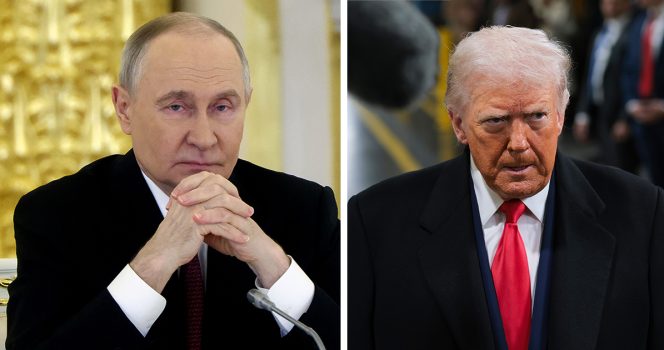
1. The United States
As one of the world’s leading powers, the U.S. could be directly involved in any large-scale conflict. Certain urban centers and strategic locations could be considered higher priority targets in a hypothetical scenario, according to security experts. While the likelihood of such an event is low, awareness of geopolitical hotspots remains important.
2. Iran
Tensions in the Middle East continue to draw global attention. Iran’s political and military activities, combined with regional conflicts, make it an area often discussed in international security analyses. Experts highlight that countries in the region could face heightened risks during periods of escalated conflict.
3. Israel
Ongoing regional disputes and historical conflicts in the Middle East place Israel among areas considered sensitive in terms of security. Analysts note that while the country has robust defense measures, regional instability can make it a focal point in broader international considerations.
4. Russia
Russia’s involvement in ongoing regional conflicts and its position as a global power mean it is often included in risk assessments. Areas of strategic interest and key cities are commonly analyzed for security concerns, though widespread conflict remains unlikely.
5. Taiwan
Taiwan faces ongoing territorial tensions with China. Analysts highlight that any escalation in the region could have significant geopolitical consequences. Awareness of local dynamics is important for understanding potential flashpoints.
6. North Korea
Though geographically isolated and challenging to access, North Korea is frequently cited in international security discussions due to its military capabilities and alliances. While the probability of direct involvement in a global conflict is low, it remains a focus of geopolitical monitoring.
Conclusion
Experts emphasize that the possibility of a global conflict involving these regions remains highly unlikely, and everyday life for most people continues without direct threat. Understanding these areas in terms of global security provides context for discussions about diplomacy, defense, and international relations.
By staying informed and aware of international developments, individuals can better understand the world’s complex political landscape without unnecessary fear.