4. Oral Health Problems
Gingivitis, cavities, and other oral diseases increase harmful bacteria in the mouth, which can cause dryness overnight. Brushing, flossing, and regular dentist visits are key to keeping your mouth healthy and hydrated.

5. Diabetes
High blood sugar makes your kidneys work overtime to remove excess sugar, causing fluid loss. If you have diabetes, dry mouth at night is a common symptom. Monitoring your blood sugar and staying hydrated can help.
6. Bile Reflux
Bile reflux and other digestive issues can dry out your mouth and lead to discomfort. Supporting liver and digestive health is essential in managing these symptoms.

7. Fever
When your body temperature rises, you lose fluids faster, which can result in dry mouth. Rest and hydration are crucial to recovery.
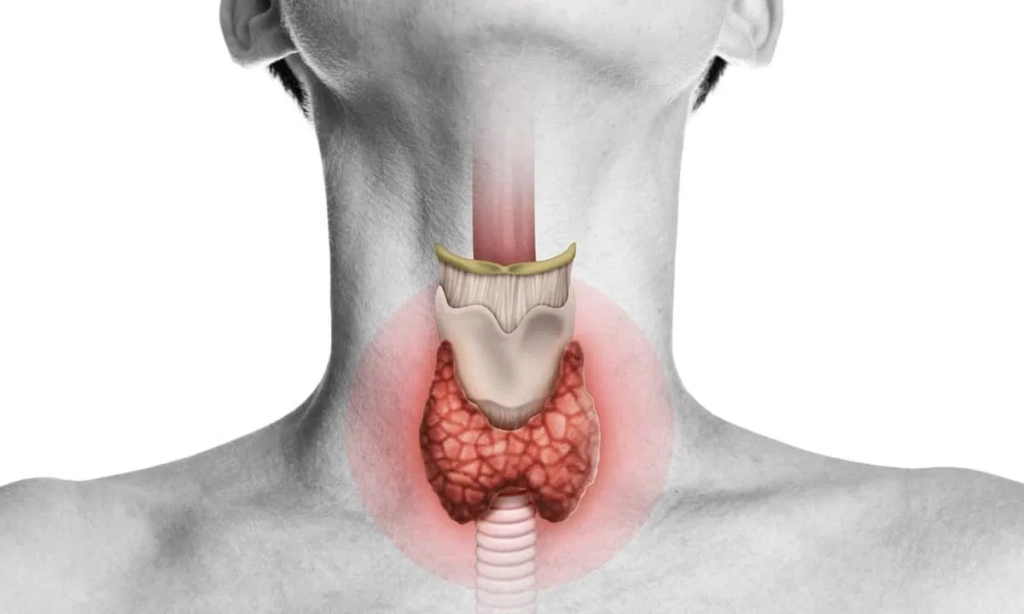
8. Hyperthyroidism
An overactive thyroid speeds up metabolism and increases water needs. This can overstimulate your nervous system and leave your mouth extremely dry—even during sleep.
Bottom line: If dry mouth is a nightly problem, check your diet, hydration, and oral care routine. If it persists, consult a doctor to rule out underlying conditions.
Pro tip: Drink water regularly, avoid heavy late-night meals, and maintain oral hygiene to wake up refreshed and energized!
Have you experienced dry mouth at night? Share your tips and experiences in the comments below!
 Read Next Story →
COVID-19 Vaccines and Illness: What the Evidence Really Shows
More Stories You May Like
See More →


Priya got into health writing after watching her mom fall down a rabbit hole of miracle-cure Facebook posts. She reads the actual studies so you don't have to, and she'll tell you straight when the evidence is thin.
More from Priya →