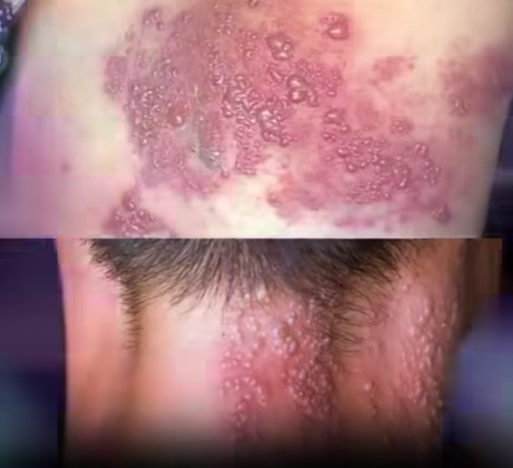
Noticing a bump or an unusual spot in a private area can be alarming, but it’s more common than most people think. Many types of skin changes are harmless, and understanding what you’re seeing can help ease worry and guide you toward the right care.
First Things First: Stay Calm
Bumps can appear for many reasons. Some are related to everyday irritation, while others may be linked to infections or skin conditions. Awareness is important — but there’s no need to panic.
Common, Non-Serious Causes
• Shaving Irritation (Folliculitis):
Small red bumps can develop after shaving or from friction. They usually clear on their own with gentle care.
• Blocked Oil Glands (Sebaceous Cysts):
Smooth, round bumps under the skin that are typically harmless. Avoid squeezing them, as that can cause irritation.
• Skin Tags or Ingrown Hairs:
Soft flaps of skin or irritated bumps often caused by friction or hair growing back incorrectly. These are usually harmless and treatable.
When It Might Need More Attention
Some bumps may be signs of infections or long-term skin conditions. These may require medical evaluation:
• Warts caused by HPV:
Can appear as small, soft bumps and often need treatment from a healthcare professional.
• Herpes Simplex Virus (HSV):
May cause recurring sores or irritation. Medication can help manage symptoms.
• Molluscum Contagiosum:
Smooth, dome-shaped bumps that can spread through contact but often resolve with time.
• Syphilis:
Can begin with a single sore. Requires prompt evaluation and treatment.
• Chronic Skin Conditions (e.g., Lichen Sclerosus):
White or discolored patches that may itch or feel irritated. Medical care is recommended.
When to See a Doctor
Seek medical advice if you notice:
- A bump that doesn’t go away
- Pain or discomfort
- Changes in color, size, or texture
- A bump accompanied by unusual discharge or persistent itching
Healthcare professionals can give accurate answers and proper treatment — without judgment.
Final Thoughts
Most bumps are benign and manageable. Paying attention to changes and seeking help early ensures peace of mind and protects your long-term health.