 Health
SKIN SIGNALS USED TO DIAGNOSE SERIOUS DISEASES!
Most people see their skin as a beauty project—something to moisturize, scrub, or perfect. But doctors know better: your skin is a messenger. It reveals internal problems long before you feel them.
When hormones shift, inflammation rises, immunity drops, or organs begin to struggle, the skin often flashes the first warning. Those signs are easy to miss — or dismiss — but they shouldn’t be.
This guide breaks down the major skin changes that may signal deeper health concerns. These aren’t diagnoses, but smart reminders not to ignore your body’s early alerts.
1. Sudden Dark Patches in Unexpected Places
Most dark spots come from sun exposure or aging — nothing dramatic. But when deeper, patchy darkening shows up in unusual areas like elbows, knuckles, scars, or pressure points, doctors consider hormone-related disorders such as Addison’s disease.
If this darkening appears alongside symptoms like fatigue, dizziness, or unusual salt cravings, the skin may be calling for urgent medical attention.
2. Bright White Patches With Sharp Edges
Clear, sharply defined white spots often point toward vitiligo — an immune condition that destroys pigment cells. It’s not painful or dangerous, but it does signal immune imbalance and often progresses without treatment.
Early evaluation can slow or even reverse the spread. If patches appear suddenly around the mouth, eyes, or hands, it’s time to get checked.
3. Rashes That Don’t Go Away
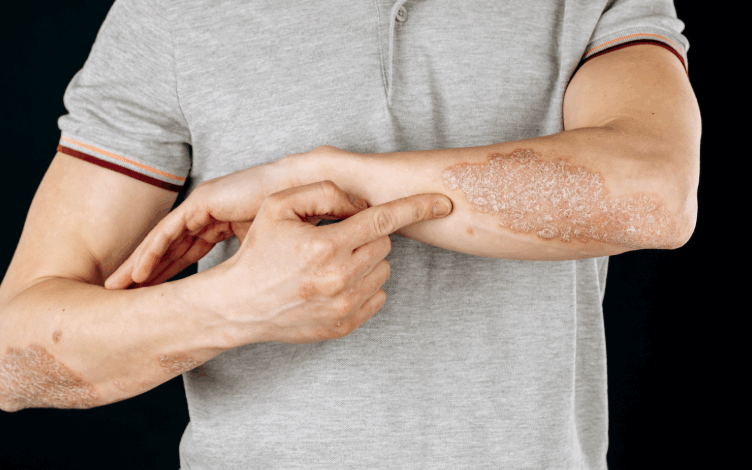
Temporary rashes are normal. But a rash that lingers for weeks, burns, spreads, or keeps coming back may indicate something deeper — autoimmune conditions like lupus, psoriasis, or even internal infections.
If a rash refuses to clear up, especially when paired with fatigue or fever, it deserves more than drugstore cream.
4. Swelling That Shows Up Every Day
A little puffiness happens — salty meals, heat, poor sleep. But daily swelling in the legs, eyelids, or hands can signal thyroid problems, especially hypothyroidism, which slows the body’s ability to regulate fluids.
If swelling is paired with low energy, dry skin, thinning hair, weight changes, or sensitivity to cold, the skin is highlighting a pattern that shouldn’t be ignored.
 Up Next: Page 2 of 2
5. Moles That Change Fast
Moles aren’t supposed to evolve. Rapid changes in size, shape, color, or texture are classic warning signs for melanoma — a serious...
Continue Reading