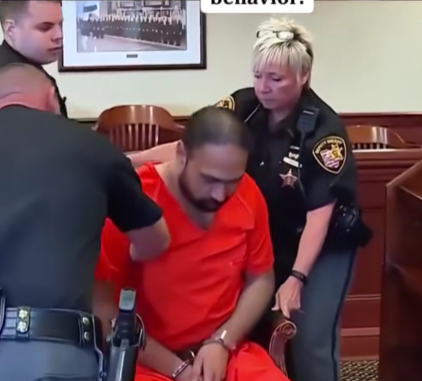
What was meant to be a long-awaited moment of closure turned into an event no one in the courtroom could have predicted. During a sentencing hearing for a man convicted in a serious case, emotions ran high among everyone present — the victims’ families, legal teams, and the defendant himself.
An Emotional Day in Court
The trial had taken months, marked by difficult testimony and the heavy weight of loss. Families of the victims gathered in the courtroom on sentencing day, hoping to finally reach a moment of resolution. The atmosphere was tense but expectant.
As the judge began reading the sentence, the defendant stood quietly and listened. Witnesses recalled that his expression shifted noticeably as the hearing progressed. Moments after the judge finished speaking, he became overwhelmed, lost his balance, and collapsed. Medical personnel responded immediately, but he did not recover.
Authorities later stated that early signs suggested a sudden medical emergency, likely triggered by extreme emotional stress, though a full examination was requested to determine the cause.
A Moment That Left the Courtroom in Silence
The unexpected turn of events left families and witnesses shaken. Many described the quiet that followed as surreal. After years of navigating the justice system, some felt they had been denied the sense of closure they hoped the day would bring. Others expressed compassion, acknowledging the emotional intensity that all parties had endured throughout the trial.
One family member said softly, “We thought this would be the end of a long chapter, but instead it brought even more questions.”
Understanding the Impact of Extreme Stress
Medical professionals note that emotionally overwhelming situations can sometimes trigger serious health emergencies, particularly in individuals with underlying conditions that may not have been fully recognized. High-stress moments — such as receiving life-changing news — can place unexpected strain on the body.
The incident has sparked conversation about how courts can better monitor signs of physical or emotional distress among individuals facing significant legal outcomes.
Public Reaction and Broader Discussion
News of the incident prompted a wide range of responses online and in the community. Some focused on the importance of emotional awareness in legal settings, while others reflected on the complex mix of accountability, compassion, and mental health that accompanies high-stakes trials.
Legal experts emphasized that the case still represented due process and that the verdict remained valid. However, many acknowledged the emotional weight the event placed on everyone involved — from families to court staff.
The Human Side of Justice
Counselors were made available to witnesses, court personnel, and the families who had endured long periods of uncertainty and grief. Specialists noted that trials involving profound loss can leave lasting emotional effects on all who participate.
Psychologists say the incident highlights the importance of understanding the human element behind legal proceedings. “Courtrooms are places of rules and structure,” one expert explained, “but the emotions inside them are deeply real.”
Conclusion: A Reminder of Life’s Fragility
What was expected to be a final step in a long legal process became a moment that underscored the unpredictable and deeply human side of justice. For victims’ families, the path forward may now look different than they imagined. For those who witnessed the incident, it was a profound reminder of how quickly emotions and stress can impact the human body.
While the legal case has reached its conclusion, the emotional journey continues — for families seeking healing, for communities reflecting on the event, and for all who were present on a day that did not unfold as anyone anticipated.