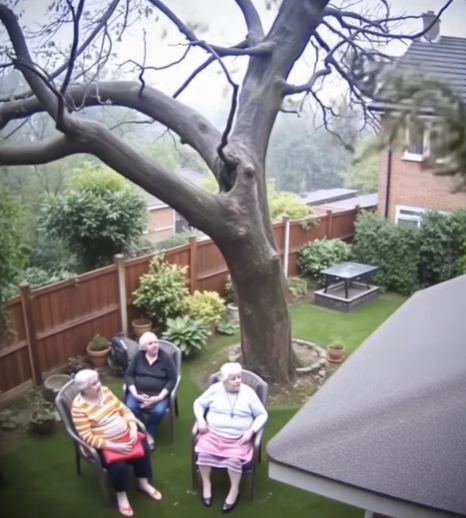
Cutting down a tree might seem straightforward, but it’s one of the most challenging and potentially dangerous tasks in outdoor maintenance. Videos of tree-cutting accidents—where trunks topple onto homes, vehicles, or power lines—highlight just how quickly things can go wrong. These clips serve as an important reminder: safe tree removal requires proper training, equipment, and planning.
Why Tree Removal Is Different from Other Yard Work
Unlike mowing the lawn or trimming bushes, removing a tree involves careful calculations and specialized tools. A large tree can weigh several tons, and once it begins to fall, its path is difficult to control.
Key risks include:
- Property Damage: Trees can fall onto homes, sheds, or vehicles if cuts are miscalculated.
- Personal Injury: Chainsaws, falling branches, and unpredictable tree movements pose serious hazards.
- Power Line Hazards: Contact with electrical wires can cause outages or fires.
- Legal Liability: Damage to neighboring property may result in unexpected expenses.
Common DIY Mistakes
Many accidents happen due to inexperience or overlooked safety steps:
- Incorrect notching and cutting techniques that make the tree fall unpredictably.
- Ignoring tree balance and weight, especially with uneven growth or heavy branches.
- Underestimating wind, which can shift the direction of a falling tree.
- Using the wrong tools; consumer-grade equipment may lack safety features.
- Working alone without assistance to guide or provide support.
Environmental and Safety Considerations
Tree removal involves more than cutting. Factors like soil stability, tree health, nearby structures, and local wildlife habitats must be considered. Rotten or hollow trees, for instance, can behave unexpectedly when cut.
Why Professionals Are the Safer Choice
Certified arborists and trained crews bring expertise, safety procedures, and specialized equipment. They also carry insurance to protect homeowners from potential costs and often follow sustainable practices for recycling or disposing of removed trees.
Real-World Consequences
Each year, emergency services respond to accidents caused by unsafe tree cutting. Common outcomes include:
- Damage to homes, vehicles, or property.
- Injuries from chainsaw mishandling.
- Electrical hazards from downed power lines.
These incidents demonstrate why professional assistance is the safer option.
Safer Alternatives for Homeowners
- Hire Licensed Arborists: Choose professionals certified by recognized organizations.
- Schedule Preventive Maintenance: Regular pruning and inspections can reduce the need for removals.
- Consult Utility Providers: For trees near power lines, professionals coordinate safely.
- Explore Alternatives: Pruning, bracing, or cabling can sometimes replace full removal.
Promoting Awareness and Education
Many accidents occur because homeowners underestimate the complexity of tree work. Community workshops, educational resources, and safety campaigns can help prevent accidents and encourage informed decision-making.
Final Takeaway
Tree removal is a specialized task that requires skill, planning, and caution. While a DIY approach may seem like a cost-saving option, it can result in serious injury, property damage, or higher expenses. The safest choice for large or potentially hazardous trees is to call a licensed professional who can complete the job safely and efficiently.
When it comes to tree removal, safety and expertise always come first.