 News
News A Massive Fire Breaks Out in a Residential Area of Manila
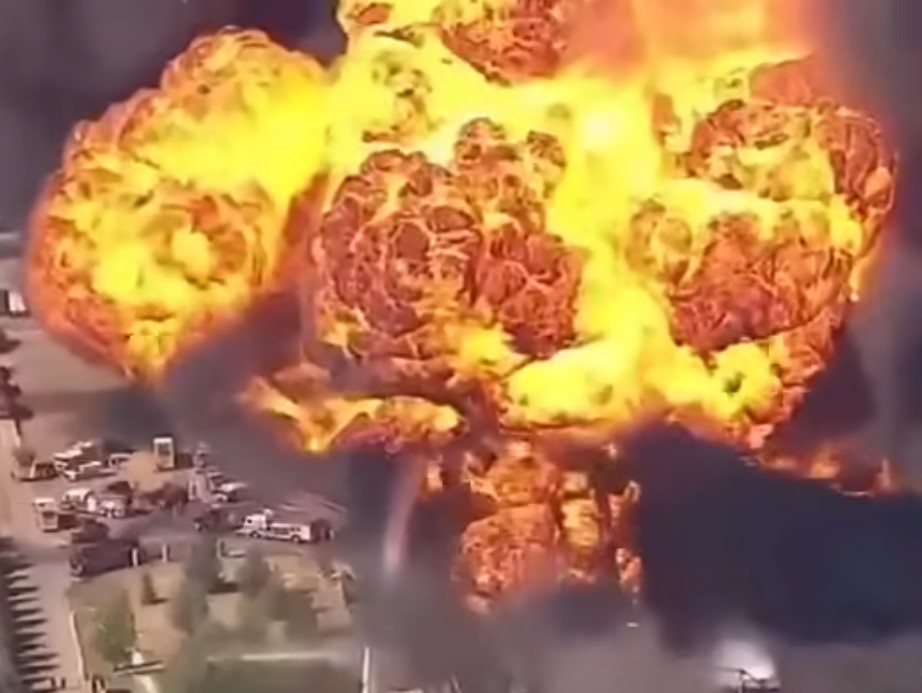
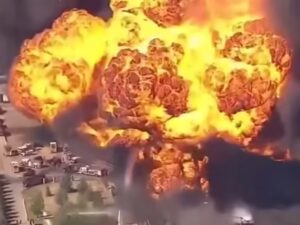
Manila, one of the world’s most densely populated cities, faced a serious challenge this week when a large fire broke out in a residential district. Thick smoke rose over tightly packed homes as firefighters worked quickly to contain the flames, while residents evacuated to safety. The incident highlights ongoing urban issues in the Philippine capital, where fires in older housing areas and informal settlements remain a recurring concern.
How the Fire Started
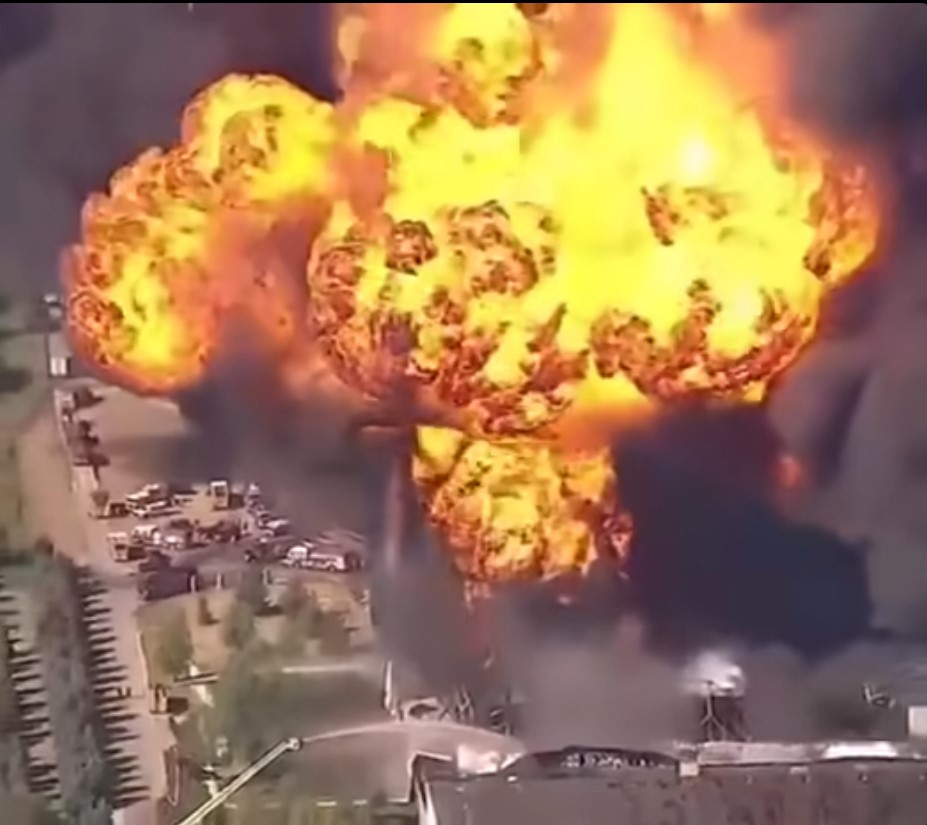
Local authorities reported that the fire began in the late afternoon and spread quickly through narrow streets filled with homes made from light, flammable materials. Many older neighborhoods in Manila are difficult for emergency vehicles to access, making fast response more challenging.
Witnesses said strong winds and the close spacing of homes contributed to the rapid spread of the fire. Emergency teams were deployed immediately, including fire trucks, local responders, and volunteers.
Evacuation and Community Response
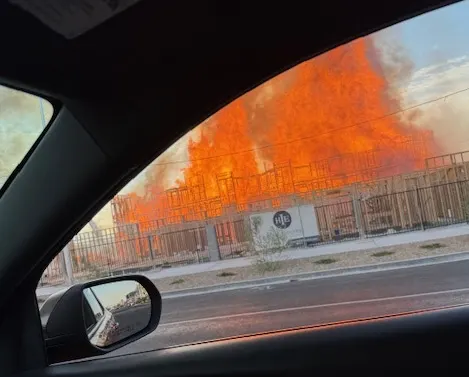
Hundreds of residents evacuated their homes, gathering in temporary shelters organized by the barangay and city officials. Families brought only essential belongings as they moved to safety.
Schools and community centers were converted into evacuation sites. Organizations such as the Philippine Red Cross provided water, food, blankets, and other basic supplies. While an exact count of damaged homes is still being determined, early estimates suggest that several hundred families were affected.
Firefighting Efforts
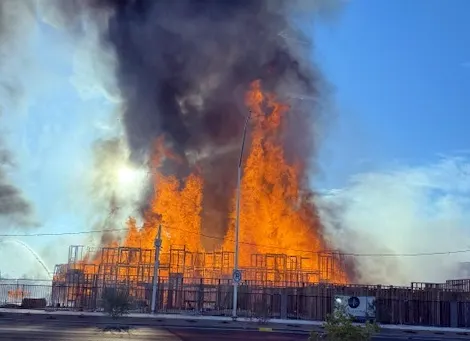
The Bureau of Fire Protection coordinated with neighboring cities to bring additional fire trucks to the scene. Firefighters faced several challenges, including:
- Narrow access roads
- Low water pressure in certain areas
- Overhead power lines that required extra caution
Despite these difficulties, the fire was brought under control after several hours, preventing it from spreading to nearby commercial areas.
 Up Next: Page 2 of 2
Why Manila Remains Vulnerable to Urban Fires
The incident highlights long-standing risk factors in Manila, such as:
Continue Reading