Glass Walkway Accident in Central Java Leads to Owner Facing Negligence Charges
on
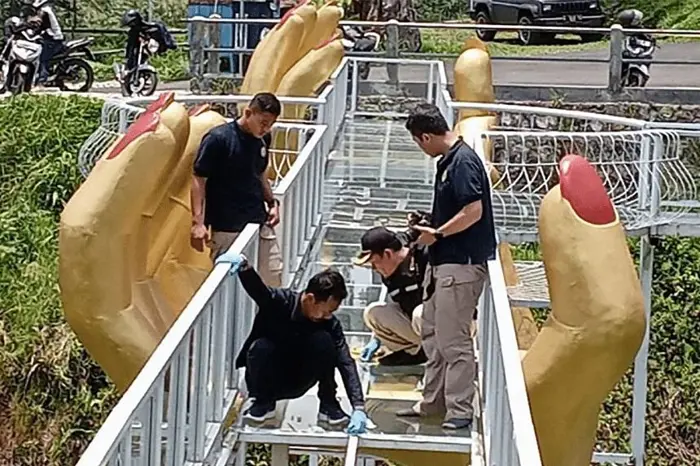
Authorities have charged Edi Suseno, the owner and manager of the Geong glass bridge in Central Java, following a recent accident at the tourist attraction. One visitor died and three others were injured when part of the glass bridge collapsed on October 25.
Banyumas City Police confirmed that Suseno, 63, designed the bridge himself and that the structure did not meet safety regulations, including missing proper licensing and operational standards.
“We have determined that the manager is a suspect, and he has been detained,” said Police Chief Edy Suranta Sitepu.
Suseno faces charges under Articles 359 and 360 of the Criminal Code, which address negligence resulting in death or injury. If convicted, he could face up to five years in prison.
Authorities have also closed Suseno’s other two glass bridges in Central Java, located at Limpakuwus Pine Forest and Guci, while safety inspections are carried out. Investigators found structural issues, including uneven welding and degraded cushioning material intended to reduce stress on the glass panels.
The incident highlights the importance of strict safety standards and oversight in tourist attractions, particularly those involving elevated or glass structures.
Glass Bridge Incident in China Raises Safety Concerns
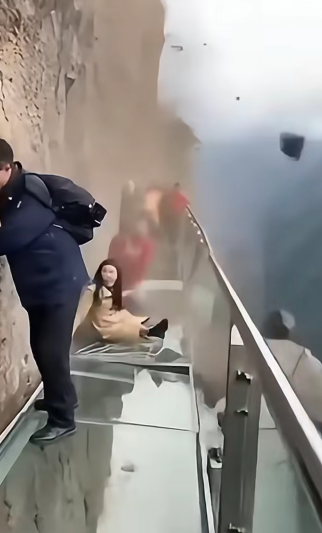
In a separate incident, a tourist in China was stranded on a 100-meter-high glass-bottomed suspension bridge at Piyan Mountain, Longjing city, after strong winds caused several panels to break. The man was safely rescued and later assessed at a hospital.
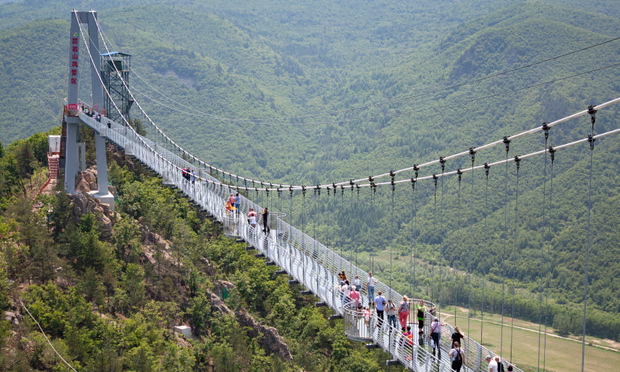
Authorities in China are reviewing safety guidelines for glass bridges, including technical standards and recommendations regarding construction in high-risk areas. Glass-bottomed bridges have grown in popularity in China, including the famous Zhangjiajie Bridge, but incidents like this have sparked renewed attention to safety measures for such attractions.
Ensuring Safety on Glass Bridges
Both incidents underscore the need for thorough safety inspections, clear visitor guidelines, and adherence to engineering standards. With the growing popularity of glass walkways, authorities in Indonesia, China, and elsewhere are reviewing regulations to help prevent accidents and protect visitors.