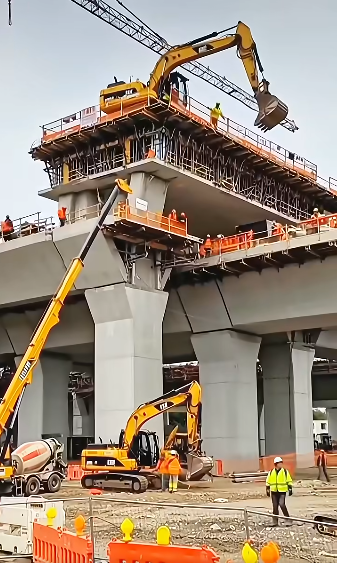
Urban development and rapid industrial growth bring opportunities—but also serious risks when safety and regulation are overlooked. Two tragic examples, the 1995 Sampoong Department Store collapse in Seoul and the 2013 Rana Plaza collapse in Dhaka, highlight the importance of building safety and oversight in fast-growing cities.
Sampoong Department Store, Seoul, 1995
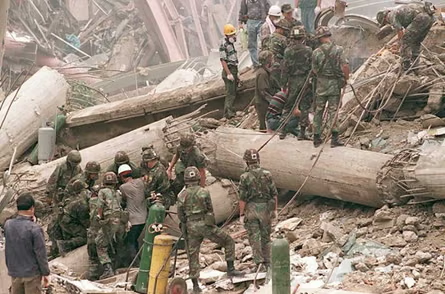
In 1995, the Sampoong Department Store in Seoul, South Korea, collapsed, claiming over 500 lives and injuring hundreds more. Investigations revealed that a series of design changes, construction shortcuts, and neglect of safety regulations contributed to the disaster.
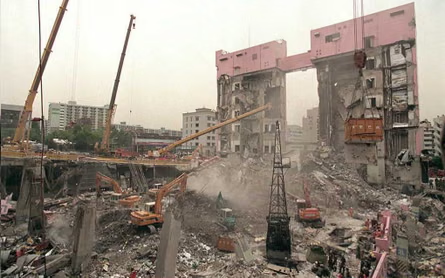
Originally planned as an apartment complex, the building was converted into a commercial space without proper adjustments to its structure. Additional floors, heavy equipment, and poor-quality materials further stressed the building. When visible cracks appeared, the management delayed evacuation, resulting in one of the deadliest building collapses in modern history.
The Sampoong disaster exposed systemic issues in construction oversight, regulatory enforcement, and accountability during South Korea’s rapid urbanisation. Following the incident, stricter building codes and inspections were implemented, aiming to prevent similar tragedies.
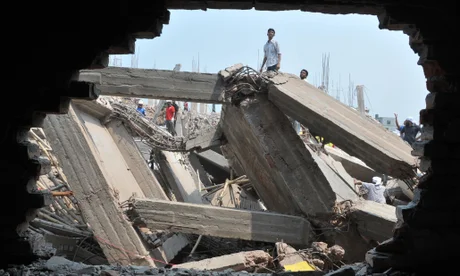
Rana Plaza, Dhaka, 2013

Nearly two decades later, Bangladesh faced another structural disaster with the collapse of the Rana Plaza garment factory complex in Savar, Dhaka. The eight-story building housed multiple clothing factories and shops. Weak construction, lack of proper permits, and pressure to meet production deadlines led to the building’s failure, causing over 1,100 deaths and thousands of injuries.

Workers, including many young women, were compelled to continue working despite visible cracks and warnings from engineers. The disaster highlighted systemic risks in the fast-fashion supply chain, inadequate enforcement of safety regulations, and the human cost of prioritising production speed and low costs over structural integrity.
Since Rana Plaza, reforms have been introduced, including the Bangladesh Accord on Fire and Building Safety, joint government and industry initiatives, and increased monitoring of factories to improve safety standards and working conditions.
Fast Fashion and Global Responsibility
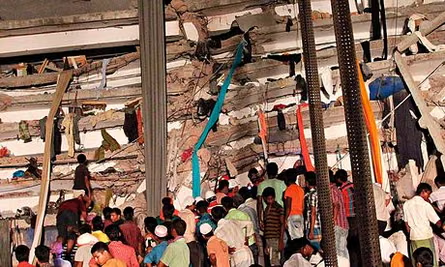
Both Sampoong and Rana Plaza illustrate the wider context of urbanisation, industrial growth, and consumer culture. The global demand for affordable clothing has driven rapid expansion of factories and commercial buildings in developing countries. While this has provided economic opportunities and employment, it has also placed immense pressure on construction, oversight, and workplace safety.

Consumers, governments, brands, and manufacturers share responsibility for ensuring that production environments are safe and compliant with regulations. Lessons from these tragedies stress the importance of balancing economic growth with human safety, ethical business practices, and urban planning.
Key Takeaways
- Rapid construction and industrial growth require strict adherence to safety codes and engineering standards.
- Regular inspections, accountability, and independent oversight are crucial in preventing structural failures.
- Ethical responsibility extends to all parties in the supply chain, including brands, factories, and consumers.
- Urbanisation and development must prioritise both progress and public safety.
These disasters remain reminders that neglecting safety and regulations can have devastating human consequences. While cities like Seoul and Dhaka continue to grow and modernize, building safe, sustainable infrastructure remains an essential lesson for all rapidly urbanising regions.