 Lifestyle
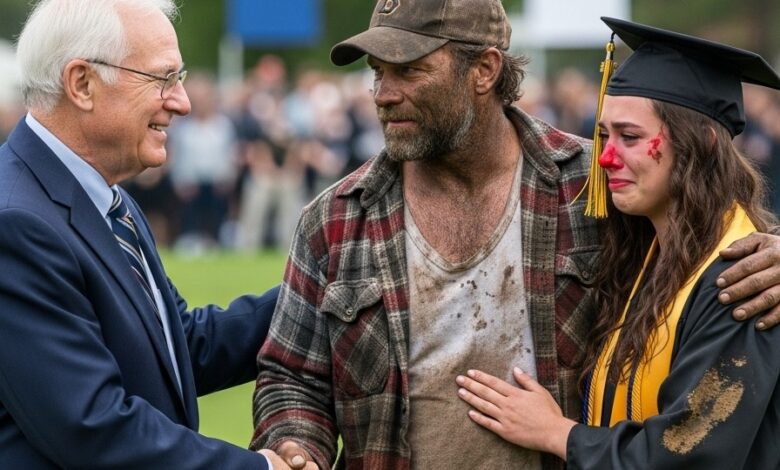
The Hands That Built a Future, My stepfather was a construction worker for 25 years!
I grew up with pieces of a life I never fully understood. My parents separated before I could even form memories. My mother and I started over in Nueva Ecija—a land of rice fields, slow afternoons, and whispers that traveled faster than the wind. I didn’t remember my biological father, only the emptiness he left behind.
When I was four, my mother remarried. The man she chose had nothing but tired hands, sunburned skin, and a quiet willingness to work. A construction worker. No promises. No savings. Just effort.
At first, I didn’t like him. He was gone before sunrise, back long after dark, smelling of sweat, rust, and concrete dust. But slowly, I noticed the things he did silently. He fixed my bicycle. Repaired my torn sandals. When I cried after school, he didn’t lecture—he rode his rickety bike to fetch me and said, “I won’t force you to call me father. But Tatay will always be behind you if you need him.”
The next day, I called him Tatay.
My childhood became a tapestry of his sacrifices. Mornings began with the rattle of his old bicycle, evenings ended with his exhausted smile. He didn’t understand algebra or literature, but he understood opportunity.
“Study well,” he said. “People notice knowledge before anything else.”
We were poor—my mother a farmer, Tatay a laborer—but I excelled. When I placed third in a district math contest, I sprinted home with the certificate. He held it gently. “Third place,” he said softly.
“It’s just third. First place went to the mayor’s son,” I muttered.
“He has tutors, good food, his own room. You have dried fish and a small lamp. Third for you is worth more than his first.”
 Up Next: Page 2 of 2
Years later, when I passed the university entrance exam in Manila, Tatay...
“I have legs,” he said. “And jeepneys.”
Continue Reading