
One small piece of fabric transformed the world. The bikini, when first introduced, sparked debates, challenged social norms, and changed fashion forever. Over decades, it evolved from a controversial garment to a symbol of choice, confidence, and self-expression.
Early 1900s: Modesty Rules the Beach
In the early 20th century, swimwear was designed for full coverage rather than comfort. Heavy, knee-length wool swimsuits, often paired with caps and stockings, were the norm. Beaches enforced strict dress codes—at some locations, tailors would even modify swimsuits on the spot if too much skin was visible.
The focus was not swimming comfortably but maintaining “respectability.” Exposure of arms, legs, or even knees could spark social backlash.
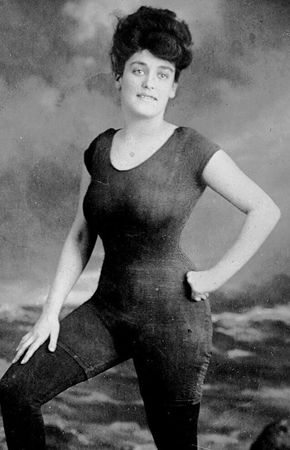
Annette Kellerman: Pioneering Practical Swimwear
In 1907, Australian swimmer Annette Kellerman challenged these norms by wearing a one-piece swimsuit that exposed her arms, legs, and neckline. While reports of her arrest for indecency are debated, her bold choice caught public attention. Women admired her practicality and confidence, and Kellerman went on to launch one of the first modern swimwear brands. Her actions opened the door for future changes in women’s swimwear.
1920s: Women Redefine Swimwear
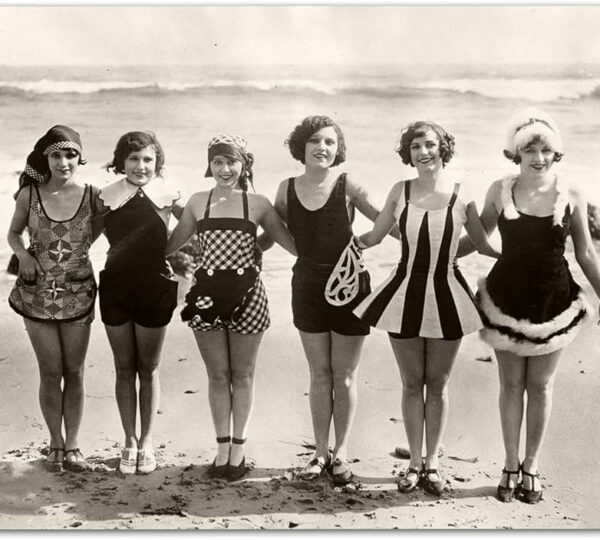
The 1920s brought cultural shifts with flappers, jazz, and increased social freedoms. Women began favoring more practical, fitted swimsuits that allowed movement and comfort. While society initially reacted with surprise, these designs marked the start of mainstream acceptance of revealing swimwear.
1946: The Birth of the Bikini
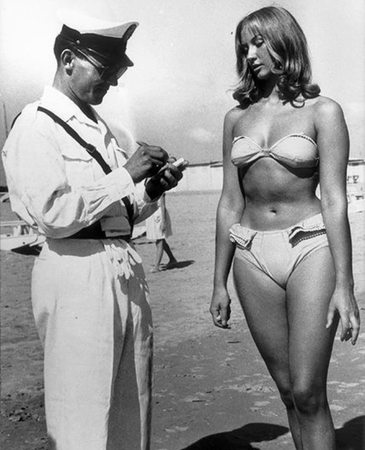
In 1946, French designer Louis Réard introduced a two-piece swimsuit named the bikini. It was bold, revolutionary, and sparked widespread debate. Initially, no professional models would wear it, so Réard hired a performer to showcase the design.
The timing was symbolic—Réard named it after the Bikini Atoll, referencing nuclear tests that had captured global attention. Many countries initially banned the bikini, including France, Germany, Italy, and several others. Religious leaders and conservative communities criticized it, yet women continued to embrace the style.
Hollywood and the Global Spread
By the 1950s and 1960s, Hollywood played a crucial role in popularizing the bikini:
- Brigitte Bardot brought the bikini to international attention in The Girl in the Bikini (1952).
- Ursula Andress cemented its status with the iconic white bikini scene in Dr. No (1962).
- Other stars like Marilyn Monroe and Raquel Welch further normalized the garment in popular culture.
Film exposure made the bikini not just a fashion statement but a symbol of confidence and empowerment.
1970s–1990s: From Controversy to Mainstream
By the 1970s, the bikini had entered mainstream fashion. Styles evolved, including high-cut 1980s designs, neon 1990s looks, string bikinis, and metallic options. Swimwear became diverse, reflecting both fashion trends and personal preferences. Men’s swimwear also became smaller and more form-fitting.

Today: Choice, Body Positivity, and Freedom
In the 21st century, swimwear reflects self-expression, comfort, and inclusivity. Modern options include:
- One-pieces and tankinis
- High-waisted and string bikinis
- Burkinis and full-coverage suits
- Adaptive and custom swimwear
The bikini is now one choice among many. Society emphasizes empowerment and individual choice, moving away from past restrictions or shaming. The only rule that matters is comfort and confidence.
Conclusion
The bikini revolution was shaped by pioneering women, designers, and cultural icons who challenged norms and pushed for change. What began as a controversial garment is now part of a diverse and inclusive swimwear industry, reminding us how fashion can reflect broader social progress.