 Celebrity
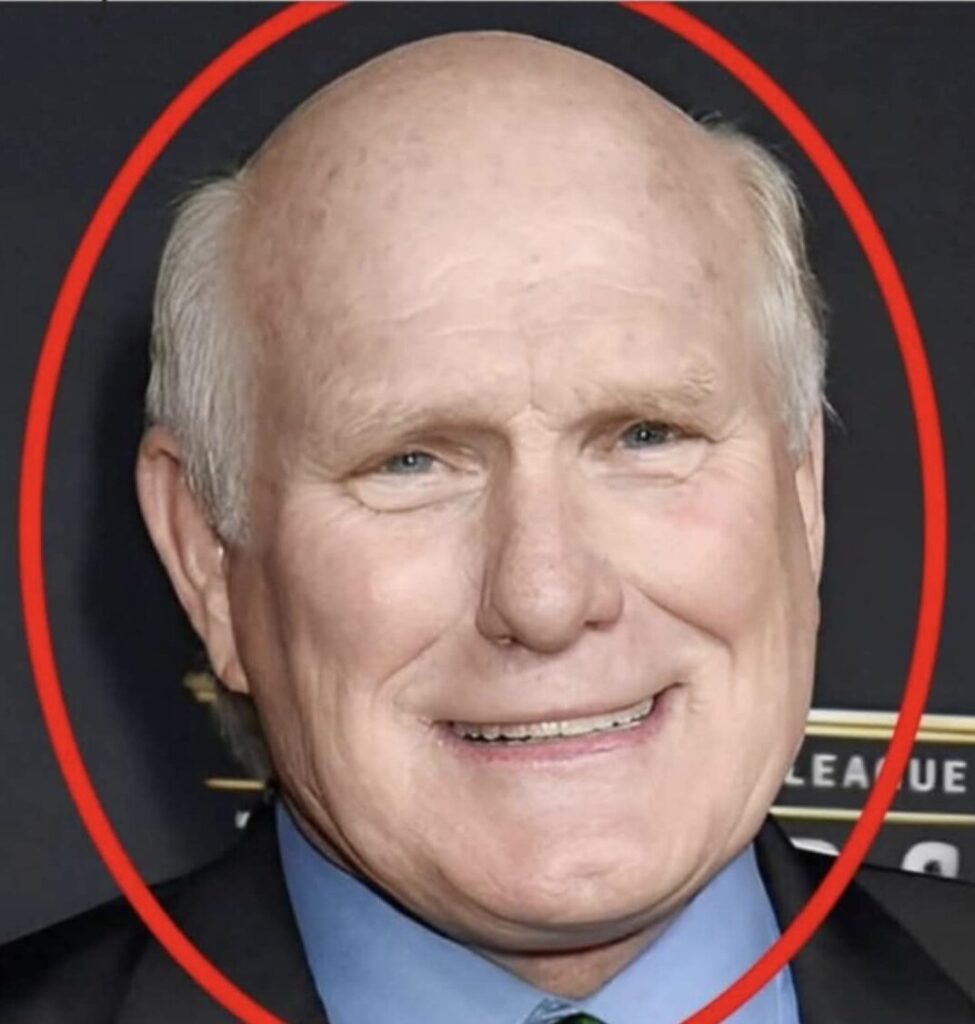
UPDATE! SAD NEWS ABOUT TERRY BRADSHAW!
Terry Bradshaw has spent most of his life in the spotlight as a championship quarterback, a Hall of Famer, and a familiar face on football broadcasts. What he kept private until recently was one of the most difficult challenges he has ever faced, one that had nothing to do with the field. Over the past year, he quietly battled two separate cancers: bladder cancer and Merkel cell carcinoma, a rare and aggressive form of skin cancer. He has now confirmed that he is cancer-free.
The news surprised many people, largely because Bradshaw never let on that anything was wrong. Viewers continued to see the same humor, confidence, and energy on television, while behind the scenes he was managing diagnoses, treatments, surgeries, and the uncertainty that comes with serious illness. It was a period marked not by competition or public milestones, but by endurance and quiet determination.
Bradshaw spoke about the experience without dramatizing it. He acknowledged that treatment was difficult and that waiting for answers was often the hardest part. There were moments of fear and exhaustion that tested him in ways football never did. He credits his medical team, early detection, and the support of family and friends for helping him through it. He also shared that his faith played an important role in keeping him grounded during the most uncertain moments.
Bladder cancer was the first diagnosis and required treatment and ongoing monitoring. While dealing with that, doctors discovered Merkel cell carcinoma on his neck. This form of skin cancer is rare and fast-moving, making early treatment especially important. Bradshaw underwent surgery followed by radiation. Facing a second cancer before fully closing the chapter on the first added another layer of emotional and physical strain.
Throughout it all, he continued working and showing up publicly as he always had. What people did not see were the long recovery days, medical appointments, and private moments where optimism had to be intentional. Bradshaw later explained that he chose to stay quiet because he wanted to focus on healing, not attention or sympathy.
When he eventually shared his story, the response was immediate. Fans, colleagues, and fellow athletes sent messages of support and respect. Many people said his openness encouraged them to take their own health more seriously and not delay medical checkups. His experience resonated because it felt honest and relatable.
 Up Next: Page 2 of 2
One theme that stood out in the reaction was admiration for how...
Bradshaw’s message carried weight because it was straightforward. He acknowledged fear and difficulty without exaggeration. At the same time, he expressed gratitude...
Continue Reading