Some moments change a family forever. For us, it happened on an ordinary day that was meant to be simple and routine.
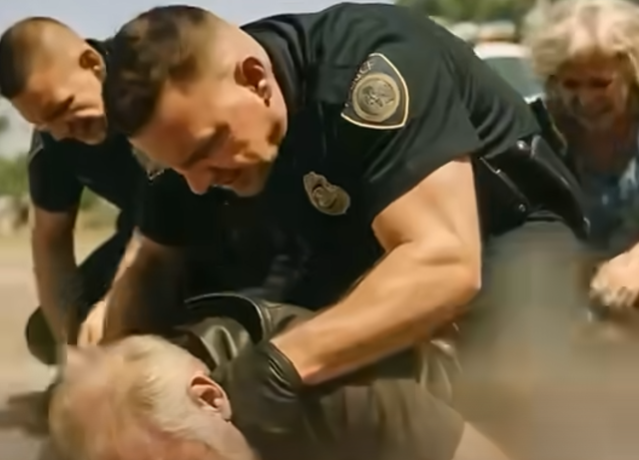
My husband, Harold, a 72-year-old military veteran, was on his way to a scheduled appointment when he was stopped by law enforcement for a minor vehicle concern. What followed was unexpected and deeply upsetting. He was instructed to lie on the pavement during the stop, despite the intense heat and his limited mobility due to age and arthritis. Multiple patrol vehicles were present, and the situation quickly drew public attention.
Harold has lived a life defined by service and quiet strength. A decorated veteran, a long-time community volunteer, and a devoted husband and father, he has always carried himself with dignity. That day, however, left him shaken in a way I had never seen before.
The Lasting Impact of a Public Encounter
Physically, Harold recovered. Emotionally, it took much longer. In the days that followed, he grew withdrawn and quiet. Activities that once brought him peace — especially riding his motorcycle with fellow veterans — were suddenly avoided. It was clear that the encounter had affected his sense of confidence and belonging.
What troubled us most was not just the stop itself, but the broader pattern we began to notice afterward. As I spoke with others in the community, I heard similar stories — particularly from older riders and veterans who felt they were being treated unfairly following the introduction of new local regulations.
Turning Pain Into Purpose
Instead of staying silent, I chose to learn more. I listened to other residents, gathered firsthand accounts, and consulted with veteran advocates and legal advisors. When the opportunity came to speak at a city council meeting, I shared our experience respectfully and clearly, along with concerns raised by others.
That conversation sparked meaningful dialogue. Community members, veterans, and local leaders spoke openly about fairness, communication, and the importance of treating everyone with respect. As a result, the ordinance in question was reconsidered, and the police department announced additional training focused on community engagement and de-escalation.
Moving Forward
Over time, Harold began to regain his sense of normalcy. The first day he decided to ride again was emotional for both of us. Friends from his riding group showed their support, reminding him that he was not alone and that his contributions still mattered.
Today, Harold continues to ride — not as a statement of defiance, but as a symbol of resilience. Our experience reinforced an important lesson: when communities speak calmly, clearly, and together, positive change is possible.
Respect, accountability, and understanding benefit everyone — and those values are worth standing up for.