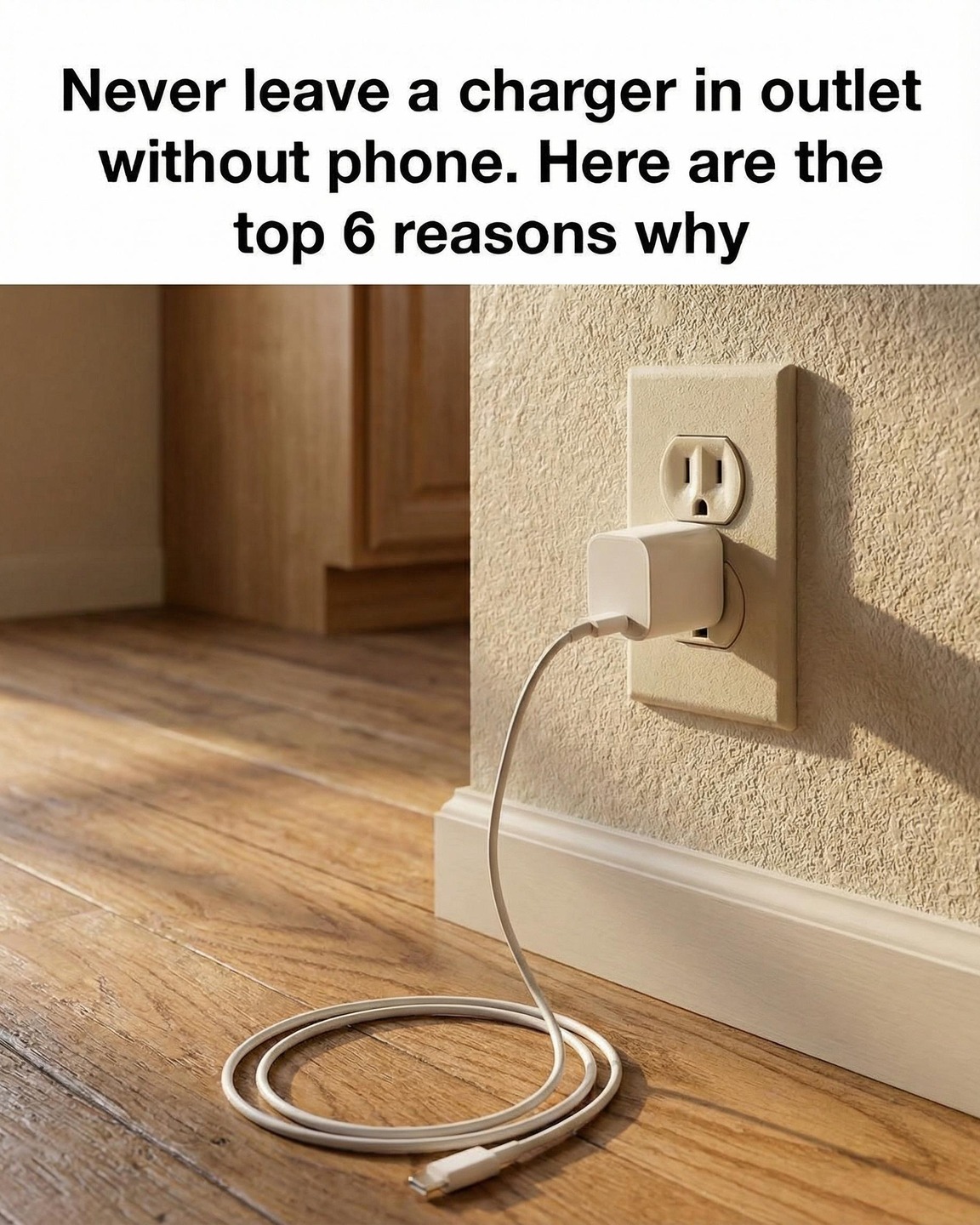
In today’s homes and workplaces, charging adapters have become an everyday fixture, as common and unnoticed as light switches or kitchen appliances. Phones, tablets, laptops, and countless accessories depend on them, which has led many people to leave chargers permanently plugged into wall outlets. This habit feels convenient and harmless, but over time it creates several avoidable problems that affect energy use, safety, and the lifespan of the equipment. Being more mindful of how chargers are used can lead to smarter routines that benefit both personal budgets and the environment.
One of the least recognized issues is the steady drain of electricity that occurs even when a charger isn’t actively charging a device. This low-level energy draw, often called standby or phantom power, keeps the charger’s internal circuitry active and ready. On its own, the amount of power consumed by a single charger is very small. However, when combined with multiple chargers and other electronics left plugged in throughout a home or office, that wasted energy adds up over time. The result is unnecessary electricity use and slightly higher utility bills that could be easily reduced with a simple habit change.
There are also safety considerations. Chargers are electrical components that generate heat while converting power, even at idle levels. Leaving them plugged in continuously means they are always under some degree of electrical stress. While modern chargers are designed with safety features, constant exposure to current increases wear on internal parts. Older, damaged, or poorly manufactured chargers are especially vulnerable. Reducing unnecessary use helps lower the risk of overheating and supports a safer living or working environment, particularly in buildings with aging electrical systems.
Continue reading on the next page…