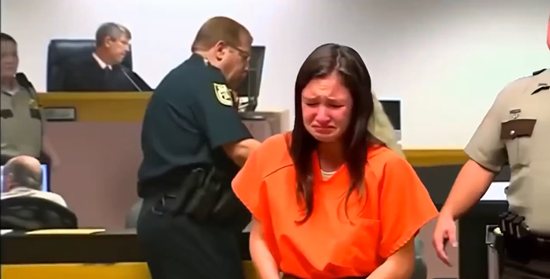
The United States has one of the highest incarceration rates in the world, and aspects of its criminal justice system continue to face strong scrutiny from legal experts, human rights organizations, and the public. One of the most debated issues is the sentencing of minors to life imprisonment without the possibility of parole.
Life without parole (LWOP) is the most severe punishment available in the U.S. criminal justice system aside from the death penalty. When applied to children, it has raised profound ethical, legal, and humanitarian concerns.
Children Sentenced to Life Without Parole
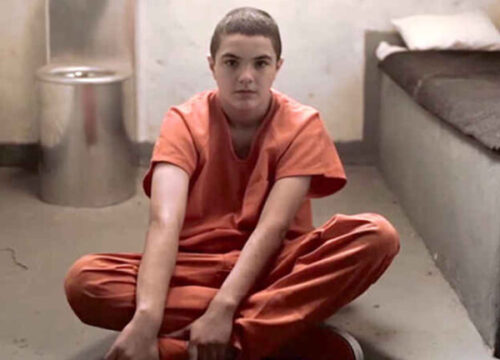
According to research from organizations such as Human Rights Watch (HRW) and the Equal Justice Initiative (EJI), dozens of individuals in the United States were sentenced to life without parole for crimes committed before the age of 14. While legal reforms have reduced the use of this sentence in recent years, its impact continues to affect people who were sentenced decades ago.
Critics argue that this punishment denies any opportunity for release, regardless of evidence of personal growth, rehabilitation, or maturity. Scientific research on brain development shows that children and adolescents are still developing key cognitive abilities related to impulse control, judgment, and long-term decision-making. These findings have become central to arguments against imposing permanent sentences on minors.
An International Perspective
The United States is an outlier internationally. Global human rights standards, including those outlined by the United Nations Convention on the Rights of the Child, prohibit life-without-parole sentences for minors. Although the U.S. has not ratified the convention, its continued use of such sentences has drawn criticism from the international community.
Who Is Most Affected
Cases involving juvenile life sentences vary, but many share similar circumstances. Some children were convicted of serious violent crimes, while others were sentenced under felony-murder laws, which allow individuals to be convicted even if they did not directly cause a death.
Research shows that a large percentage of these individuals come from marginalized backgrounds, often marked by poverty, unstable housing, exposure to violence, or neglect. Racial disparities are also significant, with Black and Latino youth disproportionately represented among those receiving the harshest sentences.
A Notable Case and Its Impact
One frequently referenced case is that of Lionel Tate, who was sentenced to life without parole in Florida at age 12 in 2001. The case drew national and international attention and became a focal point in discussions about whether children should be tried and punished as adults. Although his sentence was later modified after appeals and public pressure, the case helped spark broader legal and policy debates.
Supreme Court Decisions and Legal Changes
Over the past two decades, the U.S. Supreme Court has issued several landmark rulings that limit extreme punishments for minors:
- Roper v. Simmons (2005): Declared the death penalty unconstitutional for crimes committed by minors.
- Graham v. Florida (2010): Prohibited life without parole for juveniles convicted of non-homicide offenses.
- Miller v. Alabama (2012): Ruled that mandatory life-without-parole sentences for juveniles are unconstitutional, even in homicide cases.
These decisions require courts to consider a child’s age, background, and potential for rehabilitation. However, they do not completely ban juvenile life-without-parole sentences, and some individuals remain incarcerated under earlier rulings.
Moral and Psychological Considerations
Mental health professionals widely agree that children differ from adults in their ability to assess consequences and control impulses. Adolescents are more vulnerable to peer pressure and more capable of change over time.
Advocates for reform argue that permanently denying a child the possibility of release conflicts with the original purpose of the juvenile justice system, which emphasized rehabilitation rather than punishment. Many incarcerated individuals who committed crimes as minors have demonstrated growth through education, mentorship, and positive contributions within correctional facilities.
An Ongoing National Conversation
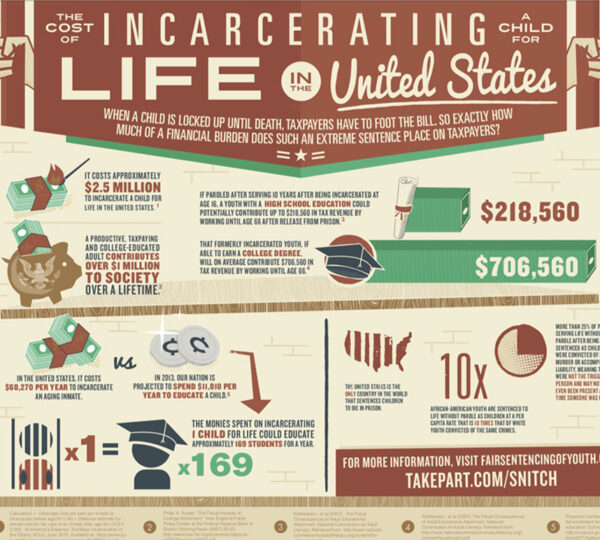
Some U.S. states have eliminated juvenile life-without-parole sentences entirely, while others allow them under limited circumstances. Advocacy groups continue to call for nationwide reform, while victims’ families emphasize accountability and the lasting impact of violent crime.
The debate remains complex and emotional, balancing public safety, justice for victims, and the recognition that children have a unique capacity for change.
Conclusion
The use of life-without-parole sentences for children continues to challenge the nation’s understanding of justice and rehabilitation. Although legal reforms have narrowed its application, the legacy of these sentences remains a powerful reminder of how legal decisions affect young lives.
As lawmakers and courts continue to reevaluate juvenile sentencing, one question remains central: should any child be sentenced to a punishment that offers no opportunity for a second chance?
The answer will shape the future of juvenile justice in the United States for generations to come.