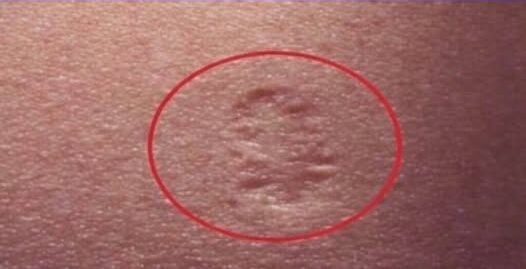
For as long as she could remember, there was a small, unusual mark on her mother’s upper arm. It wasn’t a scar from a cut or surgery. Instead, it formed a circular pattern of tiny indentations surrounding a deeper center. As a child, she studied it endlessly, tracing it with her eyes and wondering about its origin. Over time, like many childhood mysteries, it faded into the background—until years later, it resurfaced in a startling moment. While helping an elderly woman off a train, her sleeve shifted, revealing the identical mark in the same spot. Recognition struck immediately. A quick call to her mother revealed the answer: it was the smallpox vaccine scar.
Once commonplace, that small mark is now a quiet historical artifact, a symbol of one of humanity’s deadliest diseases—and one of our greatest medical triumphs. Smallpox was not minor. It was a highly contagious viral disease caused by the variola virus. It spread quickly through respiratory droplets and close contact, triggering high fever, severe body aches, and extreme fatigue. A rash followed, turning into fluid-filled pustules covering the body. Many who survived were left scarred, blinded, or with lifelong complications. The death toll in the 20th century alone reached an estimated 30 percent of infected populations, devastating communities and economies worldwide.
The fight against smallpox became a global mission. Through coordinated vaccination campaigns, surveillance, and rapid response strategies under the World Health Organization, nations united against a common enemy. In 1980, after decades of effort, smallpox was declared eradicated—the first human disease eliminated from the planet. In the United States, routine vaccination ended in 1972, long after the disease had been domestically controlled.
Continue reading on next page…