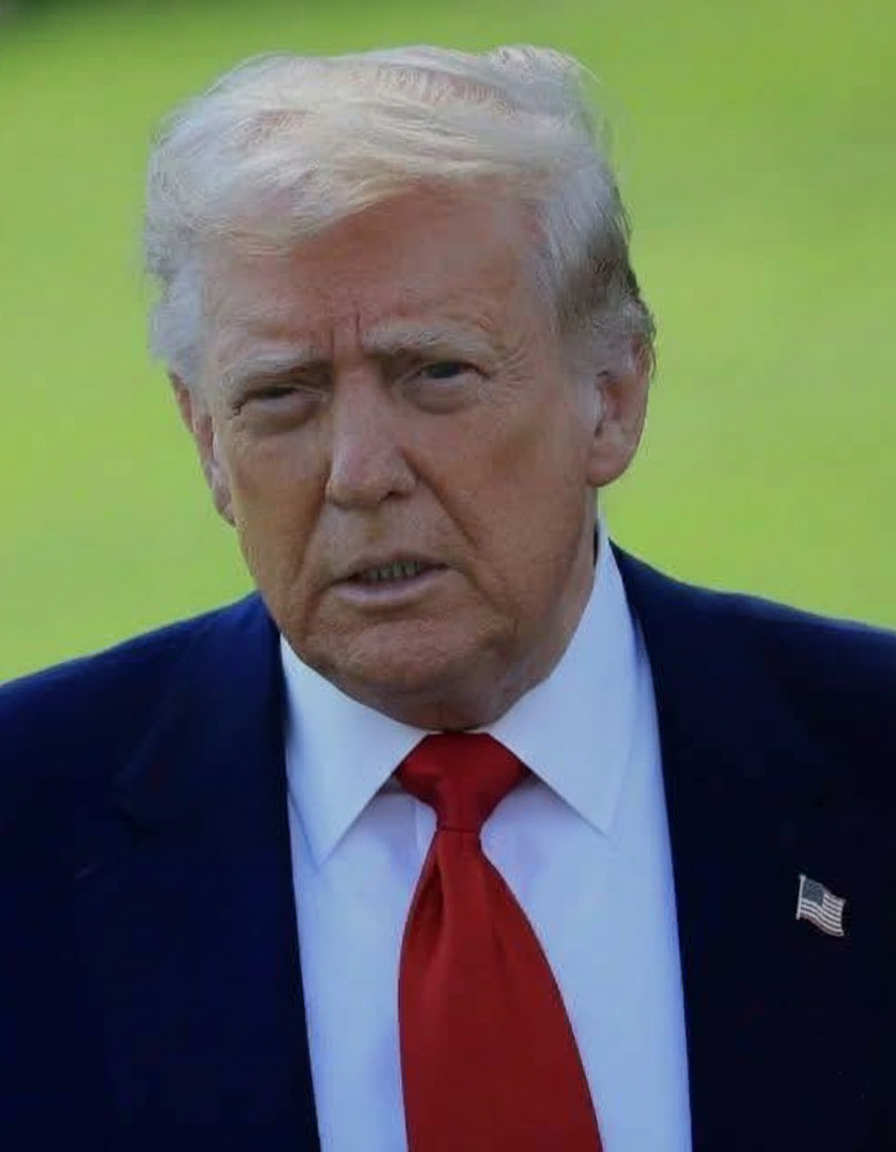
When a former presidential protection agent speaks out about the safety of a former president, it’s not idle chatter—it’s a red flag. Dan Bongino, who spent over a decade guarding top U.S. officials, is raising the alarm about Donald Trump’s security. And this isn’t partisan fear-mongering; it’s professional threat assessment based on years of experience in high-stakes protection.
Bongino warns of “threat convergence”—when multiple risks collide, even manageable dangers become explosive. Right now, Trump faces pressure from at least four fronts: foreign adversaries, domestic extremists, internal institutional friction, and a protective environment skewed by optics over real risk.
Foreign threats are serious. Iran, still furious over the 2020 killing of Qassem Soleimani, hasn’t forgotten. Their strategy relies on proxies and long-term planning, meaning threats linger silently, waiting for opportunities. China, meanwhile, monitors U.S. political turbulence closely. Trump’s policies disrupted their long-term goals, and any instability that aligns with Beijing’s interests isn’t ignored—it’s analyzed.
Domestic threats are unpredictable. Years of hostile rhetoric, mockery, and public dehumanization of Trump have created a climate where a small but dangerous minority may feel emboldened to act. History shows lone attackers aren’t spontaneous—they’re influenced by messaging, perceived moral permission, and cultural cues. One individual acting on that perception is all it takes.
Bongino also flags a subtle but dangerous risk: politicized protection. The Secret Service’s job is neutral, data-driven, and focused solely on safety. If politics or optics start dictating protective decisions, history warns of consequences. Lincoln, Garfield, Kennedy—known risks were ignored, with irreversible results.
Continue reading on next page…