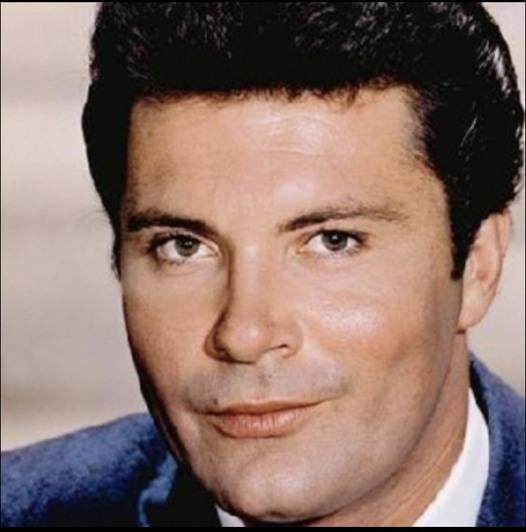
Max Baer Jr. captured the heart of a nation as Jethro Bodine, the lovable, wide-grinned, slow-talking simpleton on The Beverly Hillbillies. With his toothy smile and innocent charm, he became the embodiment of joy for millions of Americans during the show’s prime. Week after week, viewers laughed as Jethro’s naïve antics collided with the wealthy Clampetts’ world, creating some of television’s most memorable comedy moments. But when the cameras stopped rolling in 1971, so did the spotlight—and the industry that had built him quietly moved on.
Typecasting proved brutal. In Hollywood, Baer was no longer Max Baer Jr., the actor with business savvy, ambition, and creative instincts—he was Jethro, the goofy sidekick whose persona seemed inseparable from his identity. Offers dried up, auditions led nowhere, and the man behind the smile became invisible. For many actors, such a fate would have meant fading quietly into obscurity. But Baer refused to be defined solely by one role.
Turning adversity into opportunity, he stepped behind the camera and found unexpected success. His low-budget film Macon County Line, released in 1974, shocked the industry by earning millions at the box office. It was a thriller grounded in raw storytelling, far from the slapstick world of rural comedy, and it proved that Baer’s talent extended beyond the character that made him famous. He had vision, business acumen, and a determination to chart his own path—qualities that had been overlooked by a Hollywood obsessed with typecasting.
Yet behind professional ambition, personal struggles ran deep. Baer carried the shadow of his father’s tragic boxing legacy, a reminder of fame intertwined with hardship. Worse, he endured the devastating loss of a girlfriend to suicide, grief that the public never glimpsed beneath the TV punchlines. His life wasn’t all laughter—there was sorrow, resilience, and a quiet strength that informed every choice he made.
Continue reading on next page…