 US Politics
Bill Clinton Calls for Full Release of Epstein Records to Ensure Transparency
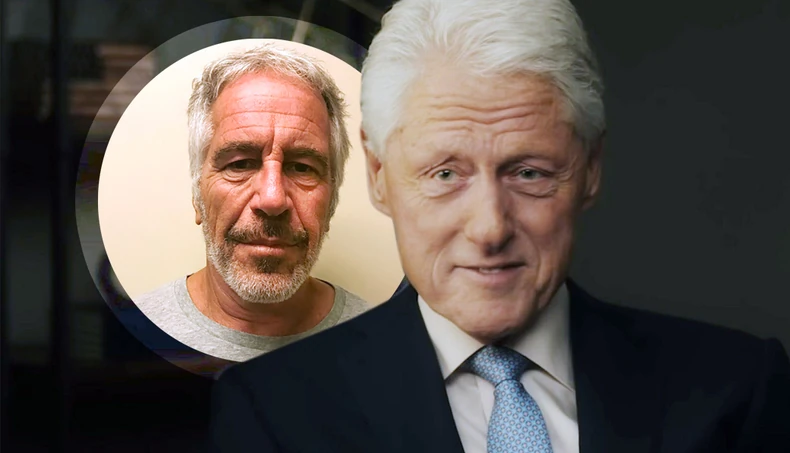
Former President Bill Clinton has urged federal authorities to release all unredacted documents related to convicted sex offender Jeffrey Epstein, citing concerns over selective redactions and public misunderstandings.
Clinton’s spokesperson, Angel Ureña, emphasized that while Clinton has never faced allegations or charges linked to Epstein, some documents and photographs showing his interactions with Epstein and Ghislaine Maxwell have circulated widely. Ureña argued that partial disclosures have fueled speculation and created the appearance that certain individuals may be protected.
“President Clinton requires no such protection, and the American public deserves a clear, unvarnished picture of the facts,” Ureña said.
Background on Epstein Files
Jeffrey Epstein, who died in federal custody in 2019, was a financier and convicted sex offender with extensive social and business connections. Since his arrest, hundreds of thousands of pages of court documents, depositions, and investigative files have been made public, though many remain heavily redacted to protect minors, witnesses, and ongoing investigations.
Clinton’s team maintains that selective redactions can distort public understanding, particularly when photographs or partial documents are shared online. While the records show Clinton in social settings with Epstein and Maxwell, there is no evidence of wrongdoing.

Concerns About Public Perception
Ureña stressed that partial disclosure can mislead the public, noting that images or excerpts without full context often generate speculation about individuals who appear in the files. Clinton’s call for full transparency is meant to provide the public with complete information and prevent misinterpretation.
“Only full, unredacted transparency can prevent misinformation,” Ureña said. “Incomplete disclosure allows narratives to form based on what is hidden rather than what is factual.”
 Up Next: Page 2 of 2
Clinton’s Historical Context with EpsteinBill Clinton’s interactions with Epstein were primarily connected...
Legal and Ethical ConsiderationsThe Epstein files are complex, spanning civil litigation, criminal cases, and ongoing legal matters. Redactions are necessary in many...
Continue Reading