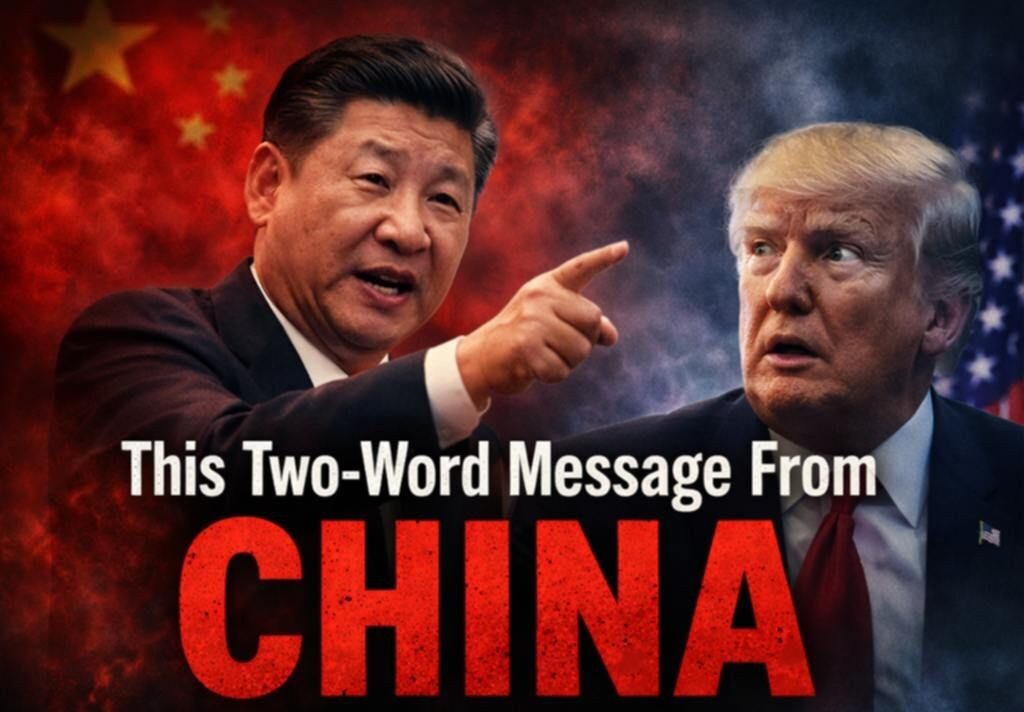
For several tense hours, Washington went unusually quiet. Scheduled briefings were delayed. Secure lines rang, then fell silent. Senior officials disappeared from public view, slipping into rooms that don’t exist on any map. This wasn’t triggered by a missile test or a leaked intelligence report—it came from just two words sent quietly through diplomatic channels from China.
Those words were never spoken publicly. They weren’t printed in statements. They weren’t attributed on the record. But inside the U.S. national security apparatus, they landed like a thunderclap. A warning, not a suggestion. A line drawn, not a debate.
At the center of the tension was Nicolás Maduro. Intelligence reports suggested that Washington was weighing serious moves: arrest, removal, or coordinated pressure via international allies. On the surface, it looked like a typical policy decision tied to Venezuela’s long-standing crisis. But for Beijing, it was far more.
Venezuela is leverage. Over the past two decades, China has invested tens of billions of dollars in oil-backed loans, infrastructure, and long-term energy agreements. Caracas owes Beijing heavily—not just in money, but in strategic alignment. Chinese companies operate in Venezuelan oil fields. Chinese banks manage debt. Every disruption in Caracas threatens not just investments, but China’s foothold in the Western Hemisphere.
The message’s power lay in its brevity. Two words carried decades of strategy. Any U.S. move that removed Maduro risked destabilizing Chinese influence overnight. From Beijing’s perspective, it wasn’t a local issue. It was escalation.
Continue reading on next page…