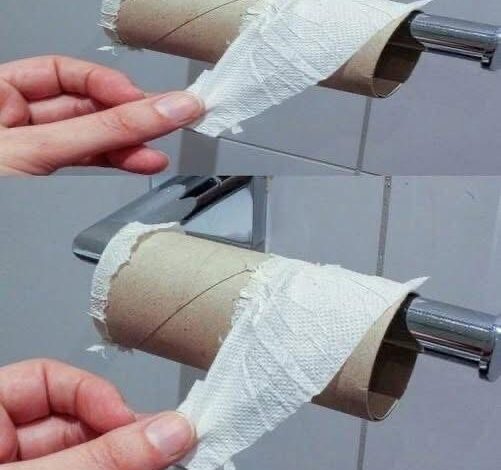
For over a century, toilet paper has been a quiet constant in modern life—so ordinary that few stop to think about it. Invented in the mid-1800s by Joseph Gayetty in the U.S., it gradually became a household staple worldwide. Today, however, what was once an untouchable convenience is being reexamined. Environmental concerns have put this everyday product under the spotlight, revealing a surprisingly heavy ecological footprint.
The impact starts long before the roll reaches your bathroom. Most toilet paper is made from virgin wood pulp, meaning millions of trees are cut down annually to meet global demand. Forests that take decades to grow vanish in days, disrupting ecosystems, carbon absorption, water cycles, and wildlife habitats. The consequences ripple far beyond the paper aisle.
Production adds another layer of strain. Transforming trees into soft, white sheets consumes massive amounts of water and energy. Pulp mills generate chemical waste, and bleaching agents can pollute rivers, threatening aquatic life and contaminating drinking water. In regions with weak environmental regulations, the damage is particularly severe.
Transportation only worsens the situation. Toilet paper is bulky yet light, often wrapped in plastic, making it inefficient to ship. Trucks hauling these rolls emit significant greenhouse gases. Combined—deforestation, production, and transport—the carbon footprint of a simple roll of toilet paper is staggering.
As awareness grows, consumers are asking tough questions: Is traditional toilet paper essential? Are there cleaner alternatives that maintain hygiene while reducing environmental impact?
Continue reading on next page…