 Lifestyle
“I Just Want to See My Balance” — A Quiet Moment That Changed Everything
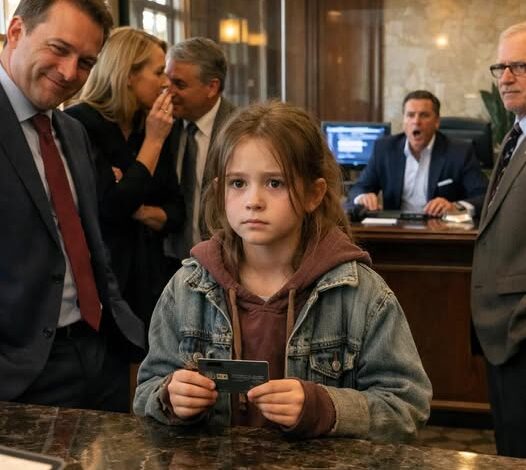
“I just want to see my balance,” the girl said softly.
The words felt out of place in the hushed lobby of Harrington & Vale Private Bank, where conversations were usually polished and confident. The space was carefully designed to project success—marble floors, muted lighting, and an atmosphere that suggested only certain people belonged.
The girl standing near the entrance clearly felt unsure. Her name was Lila Harper. She was eleven years old, holding a worn debit card and a backpack that showed signs of long use. Her jacket was thin for the season, and she clutched the card tightly, as though it carried more meaning than money.
A security guard approached, uncertain but polite. Before he could say much, a senior bank associate named Marianne Cole noticed the situation. With years of experience, Marianne understood when rules mattered—and when compassion mattered more.
She greeted Lila gently and asked a few simple questions. The card, Lila explained, had belonged to her mother. “She said it’s mine now,” Lila added quietly.
Marianne brought Lila to a desk and began checking the account. What appeared was unexpected: an old, inactive trust account that required executive approval to access.
That approval came from Jonathan Reed, a senior executive known for his focus on numbers and structure. At first, he was confused by the interruption. But as he reviewed the account details, his demeanor changed. The account was legitimate—and substantial. It had grown steadily over many years, untouched.
As Jonathan dug deeper, he discovered the origin of the trust. It had been created by a private investor who had no family and little interest in recognition. Years earlier, Lila’s mother, Eleanor Harper, had volunteered through a local program to assist him. Records showed she had offered consistent care and companionship without ever seeking payment or reward.
 Up Next: Page 2 of 2
The trust wasn’t a gift given lightly—it was a thoughtful decision made...
Lila watched the adults closely. “Is something wrong?” she asked.
Continue Reading