 Lifestyle
 I Buried My Husband Alone While Our Kids Celebrated Elsewhere, By Sunrise, I Took an Action That Shook All of Them!
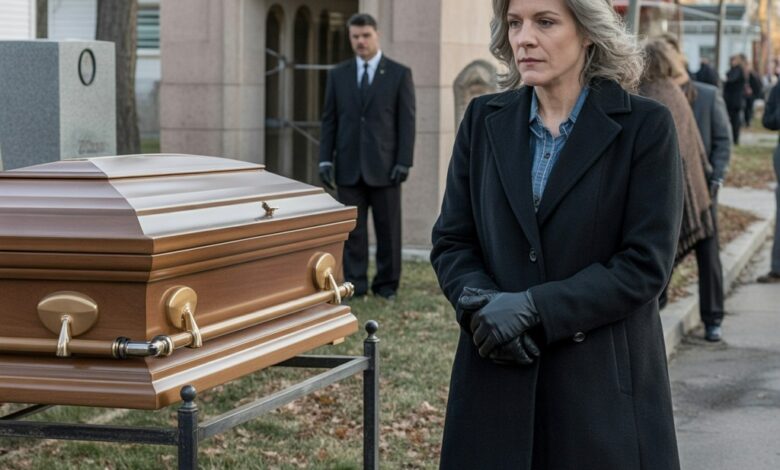
The chapel was cold, unnaturally so, a sterile chill that settled deep in my bones. November’s gray sky pressed against the windows, but it wasn’t the weather weighing on me—it was absence. I stood near the doorway as the funeral director arranged white lilies around George’s mahogany casket, their sweet fragrance clashing with the reality of loss. Every movement was precise, almost mechanical, too professional for a man whose life had been lived with quiet integrity.
“Mrs. Holloway,” the director said gently, “we can wait a little longer if you need—”
“No,” I replied, voice steady despite the ache. “Start the service. George believed in being on time.”
I glanced at the empty rows of burgundy chairs. Twenty-four seats. No children. No grandchildren. Just empty space, neatly aligned, a silent indictment.
The pastor spoke. His words floated through the chapel, generic platitudes meant to comfort strangers. Memories. Legacy. Peace. But he didn’t know George. He hadn’t seen him build our home board by board, fix anything with patience, or live by loyalty as a practice. I sat there alone, listening to a life summarized for an audience that didn’t exist.
That morning, our son sent a text: “Sorry, Mom. Something came up. Can’t make it.” Our daughter hadn’t even managed that much—she posted brunch photos instead: champagne, bright smiles, captions about self-care and living her best life. Their father’s funeral? Not worth a proper goodbye.
I buried my husband alone.
At the gravesite, the wind swept leaves across fresh soil as men who had never met him lowered George into the earth. I lingered, heels sinking into mud, whispering apologies I didn’t owe. Apologies for absent children. Apologies for a world that fails to honor quiet integrity.
Returning home, the silence was unbearable. His glasses on the side table. His crossword puzzle, half-finished, words like loyalty and family scrawled in his precise hand. I poured a glass of the wine we’d saved for our anniversary and opened my laptop, scrolling through social media. I wasn’t torturing myself. I was trying to understand how two people I raised could be so far removed from consequence.
 Up Next: Page 2 of 2
That night, I opened the estate planning folder George and I had...
Then I opened my own folder. Two decades of checks. Tuition, emergencies, weddings, bailouts disguised as gifts. Over $200,000 given without expectation...
Continue Reading