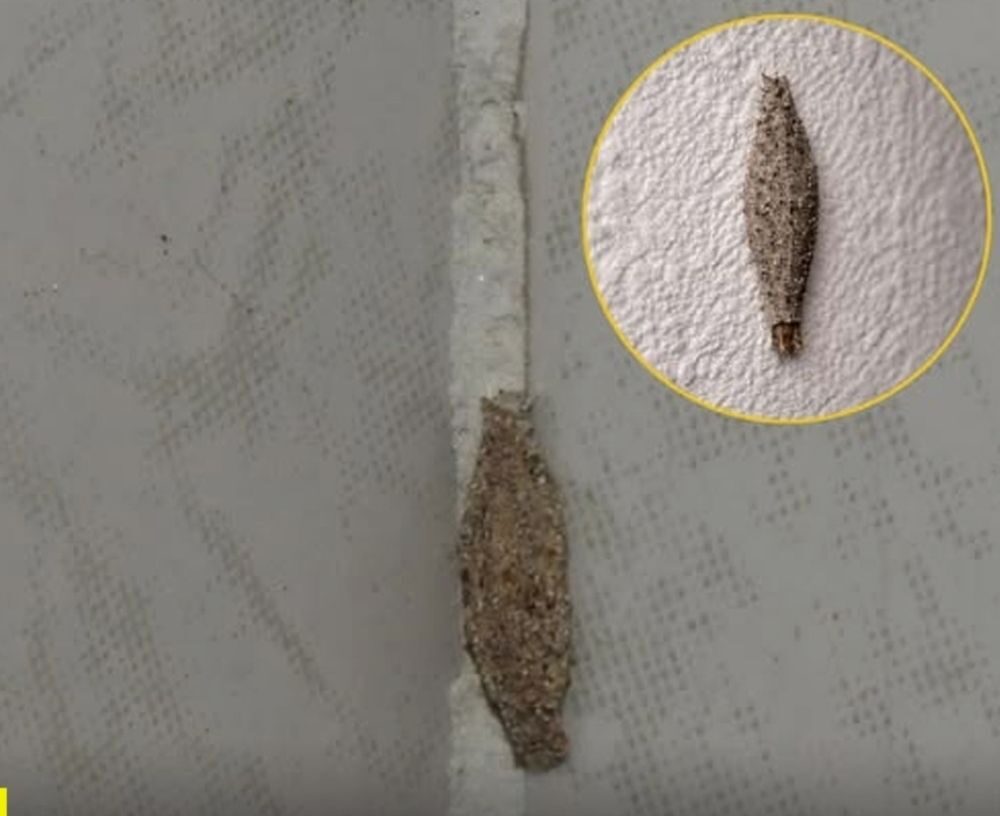
Bagworms are small but surprisingly clever insects. They build tiny protective cases from dust, fibers, and other household debris, which allow them to move around unnoticed. At first glance, these little cocoons might look like harmless specks—but their presence often signals hidden issues like excess dust, high humidity, or poor ventilation. While bagworms don’t bite or spread disease, they can become a nuisance if ignored, especially in areas rich with fabric and natural fibers.
Where Bagworms Hide
Bagworms are masters of disguise. They favor quiet, undisturbed corners where dust, lint, and fibers accumulate. Common hiding spots include:
- Wall and ceiling corners: The edges of rooms, behind picture frames, and near cobwebs.
- Bedrooms: Quiet spaces with lots of fabric, including bedding, sheets, and pillows.
- Closets and wardrobes: Natural fibers like cotton, wool, and linen provide both shelter and building material.
- Carpets and curtains: Humid, fabric-rich areas are particularly attractive.
- Bathrooms and laundry rooms: High moisture areas make ideal homes for these insects.
- Storage areas, basements, and attics: Low-traffic spaces where they can remain undisturbed.
- Window frames and door edges: These often serve as entry points from the outdoors.
Continue reading on next page…