 Health
3 Things to Avoid After Eating and 4 Before Bedtime for Better Heart Health
A stroke happens when blood flow to part of your brain is suddenly blocked. This can affect movement, speech, thinking, or even consciousness. It’s a medical emergency—getting help immediately can save your life and reduce long-term complications.
According to the NHS, key stroke symptoms can appear suddenly:
- Face drooping – one side may sag, making it hard to smile.
- Arm weakness – one arm may feel numb or too weak to lift.
- Speech difficulties – slurred words or trouble speaking clearly.
The impact depends on the stroke’s location in the brain and the size of the affected area. Thankfully, research shows that around 80% of strokes are preventable. While factors like genetics, age, sex, or ethnicity can’t be changed, lifestyle choices make a huge difference.
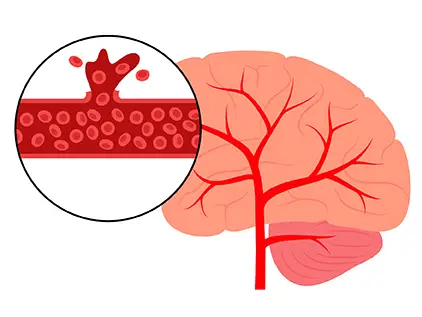
Habits After Eating and Before Bed That Can Raise Stroke Risk
Your body works hard after a meal to balance blood sugar and insulin. At night, it shifts into repair mode—lowering blood pressure and preparing for the next day. Certain habits, especially before bedtime, can interfere with these processes, raising your risk of heart disease and stroke.
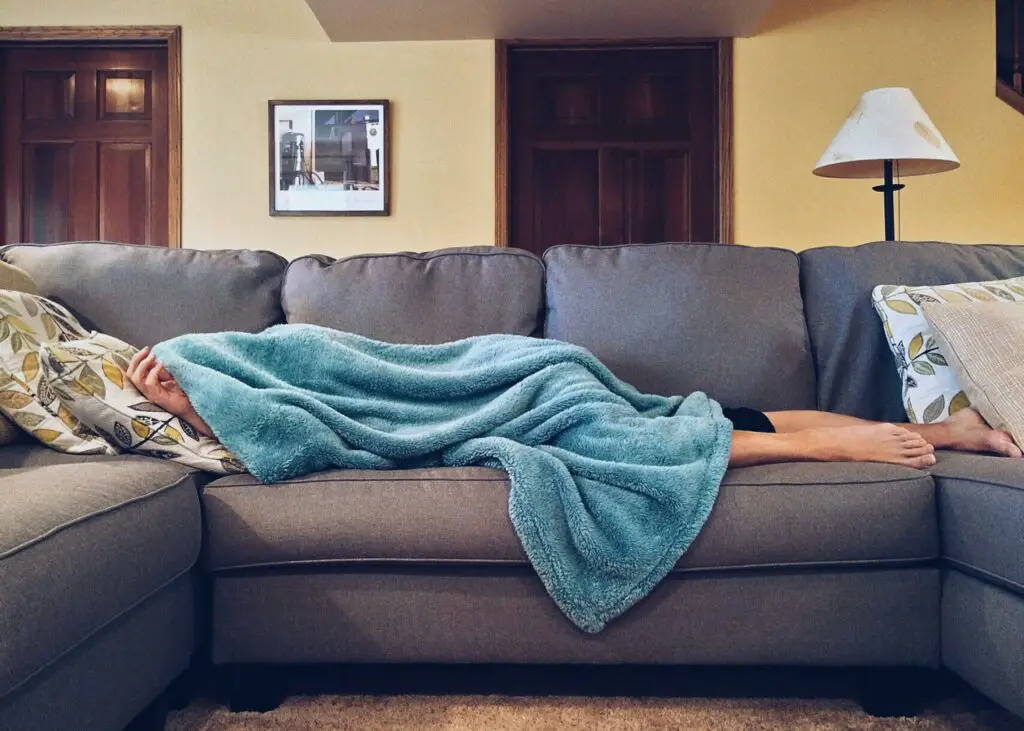
1. Don’t Lie Down Immediately After Eating
Napping or lying down after a meal feels good but can cause acid reflux and disrupt sleep. Stay upright for 2–3 hours after eating, and avoid heavy meals close to bedtime.
2. Take a Short Walk
Even a 10-minute walk after dinner can help lower blood sugar spikes, according to a Scientific Reports study. Regular walking supports healthy weight, blood pressure, and cholesterol—key factors in reducing stroke risk.
3. Avoid Bathing Right After Eating
Blood flows to your stomach to digest food. Taking a bath immediately after a meal diverts blood to your skin, which weakens digestion and stresses your heart. In extreme cases, this can lead to dizziness or even heart complications.
 Up Next: Page 2 of 2
4. Skip Alcohol Before Bed
A glass of wine may seem harmless, but drinking before bedtime can raise nighttime blood pressure and disrupt sleep. Heavy or frequent...
Continue Reading