 News
News Missing Girl Found Safe, Investigators Reveal a Troubling Truth Behind Her Disappearance!
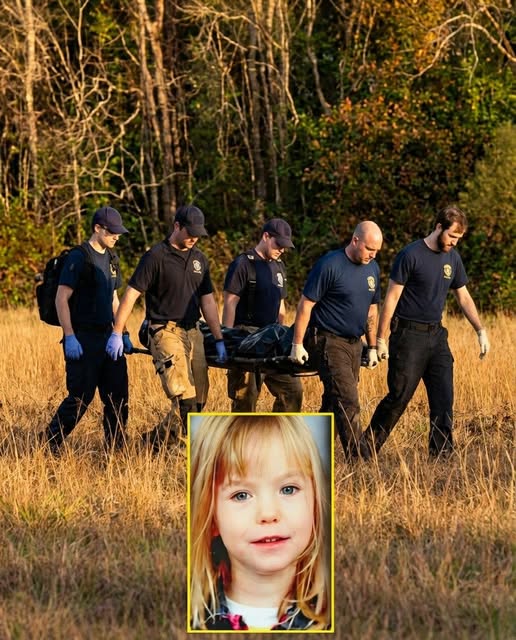
The sirens had faded, yet the stillness that followed felt heavier than the chaos that came before. For three endless days, the town of Blackwood had been suspended in fear. Volunteers scoured ravines and forest paths, their faces streaked with exhaustion and worry. Every movement in the trees suggested danger. Parents clutched their children a little tighter. Neighbors who barely knew one another became allies, united by a single hope—that eight-year-old Mia would be found alive.
When word spread that she had been discovered in a remote, rundown cabin deep in the woods, relief washed over the town like a storm breaking. Church bells rang. Strangers hugged. Tears replaced panic. But the celebration didn’t last. As investigators unraveled what had really happened, that miracle twisted into disbelief. The truth didn’t just disappoint—it devastated.
There had been no stranger, no predator lurking in the shadows. The ordeal was staged. The architect of the fear was the one person Mia trusted most: her mother.
What shocked the town even more was the precision behind it all. Weeks before the disappearance, the cabin had been chosen and stocked. Mia had been coached, told they were playing a secret game to protect their family. The tearful pleas Sarah gave to reporters had been part of the performance. The town’s compassion became a tool, its generosity a cover for deception.
Unity quickly turned to anger. Those who had searched through cold rain and sharp brush felt betrayed. The missing-person posters that once inspired hope now stirred nausea. Their kindness had been exploited, and the realization cut deeply.
 Up Next: Page 2 of 2
Fear shifted, too. The threat was no longer imagined in the woods—it...
Mia was placed into protective care, removed from the home that had become a stage for fear. Therapists noted the unique cruelty...
Continue Reading