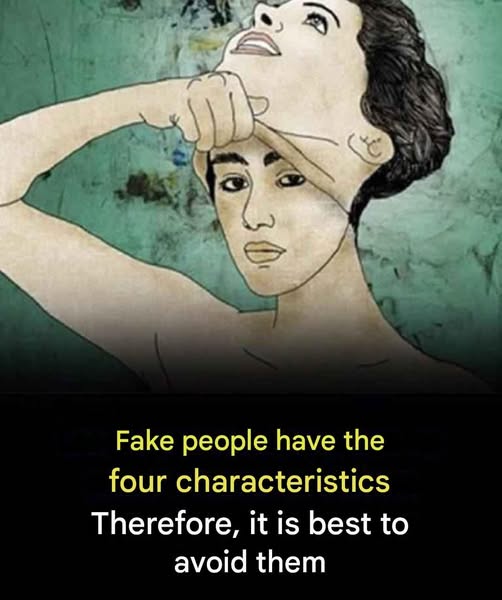
n the complex web of human interaction, genuine behavior is the foundation of meaningful relationships. We instinctively gravitate toward people who seem thankful, supportive, and ready to act without hesitation. Yet sometimes, despite polished manners and perfect appearances, an uneasy feeling arises. You may start to question whether their smiles are sincere or whether their favors carry hidden strings. This sense often emerges when we encounter “performative” personalities—those who prioritize image over true empathy. In a world increasingly obsessed with curated appearances over authentic experience, recognizing the signals of insincerity is crucial. By understanding four key traits of superficial behavior, you can safeguard your emotional energy and cultivate connections rooted in honesty rather than convenience.
The first red flag is the transactional nature of their generosity. On the surface, these people seem extraordinarily giving—quick to offer assistance, first to volunteer, and always eager to help. Yet their support is rarely unconditional. Behind every gesture lies a mental ledger, tracking favors to be returned in the future. For the performative helper, generosity functions as a strategic investment, designed to earn influence, social standing, or admiration.
True kindness, in contrast, is quiet and selfless. It exists for the sake of others, not for recognition. A superficial person’s help is contingent, fading when praise or reciprocity is absent, often replaced by irritation or resentment. Observing whether a person’s support persists even when no one is watching can reveal their motives. Genuine care is transparent; manipulation hides in the shadow of pretense.
The second trait is the performative aspect of their acts. For these individuals, every kind gesture is essentially a staged performance. They don’t just want to help—they want to be seen helping. Their generosity is often documented on social media or casually mentioned in conversation, always framed to enhance their image rather than the well-being of others.
Such behavior turns relationships into a spectacle. Each action is measured by its visibility, not its impact. In contrast, real kindness thrives in private, without expectation of applause. When someone constantly narrates their own virtues or seeks public acknowledgment for every good deed, it’s a signal that their empathy is superficial. Protect yourself by valuing those whose actions reflect quiet integrity rather than theatrical display.
The third hallmark of insincerity is the calculated use of kindness as a mask. At first, these individuals may seem attentive, conscientious, or even impeccable in their conduct. They excel at crafting a first impression that aligns with others’ expectations, especially in the age of social media, where every post and gesture can be curated.
Over time, the mask begins to slip. Because their kindness is strategic rather than instinctive, they struggle to maintain authenticity under pressure or in private. They find vulnerability difficult, as true intimacy exposes the gaps between image and reality. If conversations feel rehearsed, smiles appear forced, and interactions seem tactical, you may be dealing with someone who values appearance over genuine connection. Honest communication is often imperfect and messy; performative communication is polished and controlled.
The fourth indicator is ambition driven entirely by external validation. Healthy ambition stems from personal growth, passion, and mastery. In contrast, the insincere chase recognition. Their goals are defined by what will impress, gain approval, or earn admiration, not by internal fulfillment. Life becomes a series of performances aimed at applause, making self-worth entirely dependent on the fluctuating opinions of others.
This dependency often breeds dissatisfaction, envy, and instability. Because their sense of achievement is tethered to approval, they can never feel truly satisfied. They may resent those who pursue success authentically, highlighting the emptiness of their performative path. Surround yourself with people motivated by genuine passion and purpose, not by the pursuit of recognition.
Ultimately, learning to differentiate the authentic from the superficial is essential for emotional well-being. While performative individuals may impress initially with charm and apparent generosity, their foundation is fragile, built on self-interest and public perception. By observing the transactional nature of their help, the theatrics in their generosity, their strategic self-presentation, and ambition driven by external validation, you can avoid one-sided relationships. Authenticity is rare but invaluable; it fosters lasting bonds. Surrounding yourself with people who prioritize substance over performance will protect you from disappointment and cultivate the kind of sincere connections that require no mask.