LED Headlights: Bright Enough to Be a Problem?

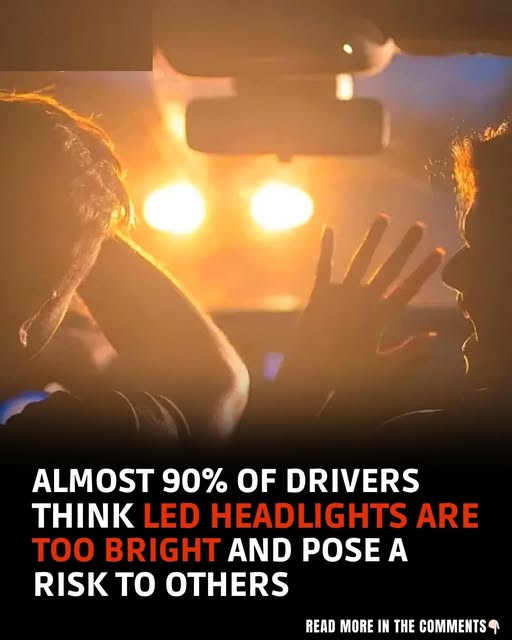
The brightness hits before your brain can even process the kind of vehicle approaching you. In an instant, your vision washes out, your pulse jumps, and you’re guiding a speeding machine while effectively blind. This isn’t some rare malfunction or isolated event—it’s become one of the most common frustrations of modern driving. Today’s headlights, especially those using LED and HID technology, aren’t just “bright.” They’ve evolved into a genuine roadway threat. Drivers across the world describe the same moment of disorientation: a sudden blast of light that forces them to squint, drift, brake reflexively, or look away during the most critical seconds behind the wheel.

The Innovation Paradox

LED headlights were introduced as a safety breakthrough. They produce a clean, daylight-like glow, consume far less energy, and last far longer than traditional bulbs. For the person driving, the upgrade feels transformative—clearer roads, sharper edges, greater confidence at night.

But the same traits that make LEDs efficient also make them punishing for everyone else. Unlike halogen lights, which cast a softer, warmer spread, LEDs emit a tightly focused, high-intensity beam. That precision improves forward visibility, yet creates harsh glare for oncoming traffic. The issue is compounded by modern vehicle design: with more SUVs, trucks, and crossovers on the road, headlights now sit higher, aiming these intense beams directly into the eye level of drivers in smaller cars.

A misalignment of only a few degrees—common after minor bumps or even from everyday vibration—can turn a headlight into a blinding spotlight. On uneven or winding roads, even perfectly aligned lights can become hazardous as elevation changes redirect that concentrated beam straight into another driver’s eyes.
The Science of Temporary Blindness

This isn’t about being overly sensitive—it’s about biology. When the eyes are hit with an intense light source at night, the retina becomes saturated, causing what’s known as “flash blindness.” Vision doesn’t just dim; it temporarily shuts down.

At highway speeds, a car travels nearly 100 feet per second. If a driver loses clear vision for four seconds, they cover the length of a football field without reliably seeing lane lines, hazards, or people. Research shows this exposure reduces contrast perception, making it extremely difficult to notice a pedestrian in dark clothing or a disabled vehicle ahead. Older drivers, or those with early cataracts, may take twice as long to recover, turning a brief glare into a prolonged danger.

Outdated Rules in a New Era

While lighting technology has advanced rapidly, regulations in many countries remain rooted in the halogen age. Standards set by agencies like the U.S. NHTSA or Europe’s ECE were built for softer, more diffuse bulbs.

Some newer vehicles now feature adaptive headlights that selectively dim portions of the beam to avoid blinding others. But these systems are expensive and mostly reserved for high-end models. In the meantime, millions of drivers are stuck in a lighting “arms race,” where manufacturers maximize visibility for their own customers at the expense of everyone else.

The problem is made worse by the aftermarket. “Plug-and-play” LED and HID kits allow drivers to install powerful bulbs in housings never designed for them. The result is scattered, uncontrolled light that often exceeds glare limits, yet rarely draws enforcement during routine traffic stops.

The Hidden Cost

The impact extends beyond collision risk. Repeated exposure to blinding light creates what researchers call “glare anxiety.” Many people—especially older drivers—become so uncomfortable that they stop driving at night altogether.

This change affects more than personal freedom. It shifts traffic into daylight hours, strains local economies, and reduces mobility for large segments of the population. The financial toll of glare-related accidents—insurance claims, medical care, vehicle damage—likely reaches into the billions, yet remains hard to track because “temporary blindness” rarely appears in crash reports.

Designing a Safer Future

The answer isn’t abandoning LED technology—it’s controlling how it’s used. Experts point to several practical steps:

  • Mandatory adaptive lighting: Making dynamic beam systems a standard safety feature, not a luxury.
  • Automatic leveling: Requiring sensors that adjust headlight height based on load and road angle.
  • Aftermarket enforcement: Restricting non-compliant conversion kits that create unsafe beam patterns.
  • Smarter infrastructure: Using signage and markings that remain visible without excessive reflection.

Where We Are Now

Drivers are sending a clear message: the balance has tipped too far. Better visibility for one person shouldn’t come at the cost of blinding everyone else.

Until regulations catch up, the burden falls on individuals. Regular headlight alignment, spotless windshields to reduce scatter, and using night-mode mirrors are no longer optional—they’re survival habits in the age of extreme brightness.

The modern headlight is a technical marvel with a human consequence. As vehicles grow smarter and more automated, the industry must remember one truth: as long as people are still driving, the most critical safety feature remains their ability to see.

Leave a Reply

Your email address will not be published. Required fields are marked *