 Celebrity
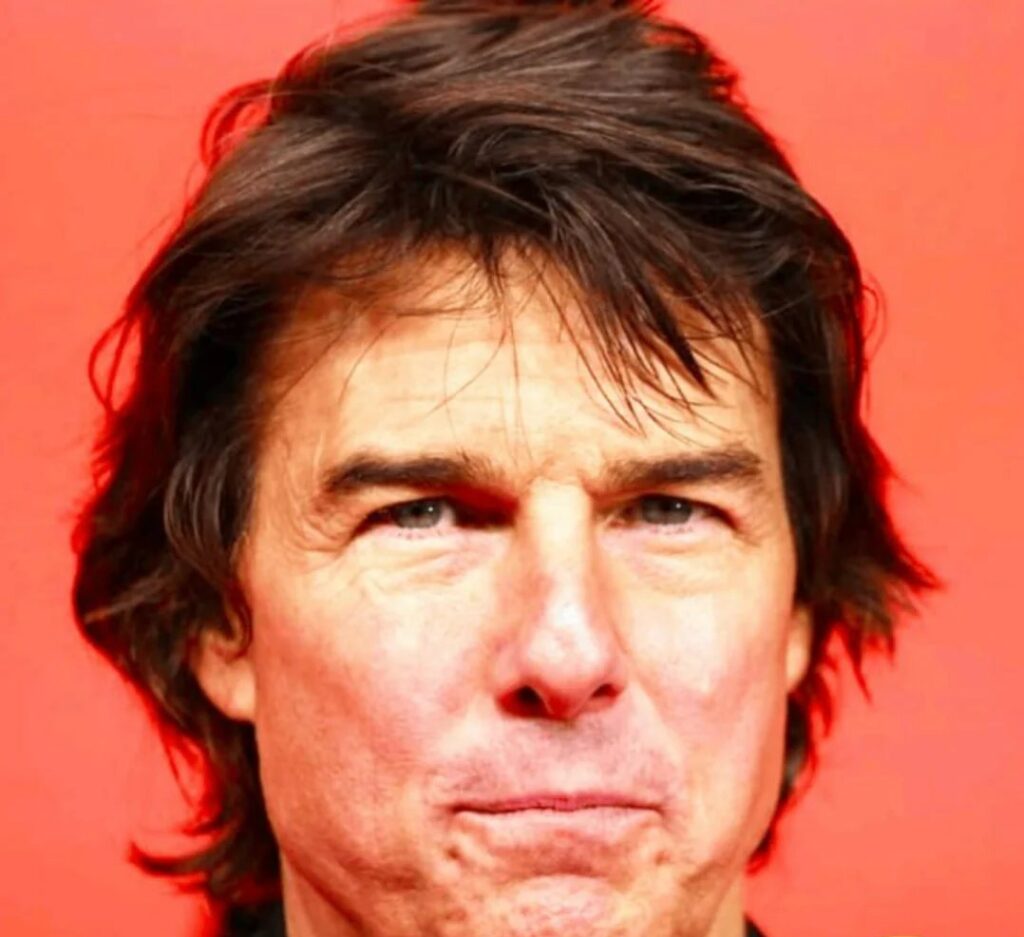
 What Happened During the Filming of Tom Cruise’s ‘American Made’
In 2017, American Made hit theaters as a thrilling crime drama about high-flying smuggling, covert operations, and daring aerial feats. But behind the camera, real-life danger was very real—and for some, deadly. During production, an accident in Colombia turned a movie set into a scene of tragedy, forever altering lives and exposing the hidden risks of filmmaking.
In September 2015, a twin-engine Aerostar 600 aircraft, contracted for the shoot, went down during an aerial flight. On board were three seasoned pilots: Andrew Purwin, Jimmy Lee Garland, and Carlos Berl. The crash claimed the lives of Purwin and Berl instantly. Garland survived, but suffered life-altering injuries, ending his aviation career and beginning years of grueling recovery.
All three were skilled professionals, but concerns had been raised. Carlos Berl reportedly questioned the plane’s condition before the flight, and those warnings went unresolved. Garland, a pilot and mechanic, frequently flew as Tom Cruise’s stunt double, balancing tight production demands with real aviation safety risks. Purwin, known for his daring approach, had faced previous scrutiny in aviation circles—but even experience couldn’t outweigh the dangers that day.
Weather was deteriorating, yet production pressures and schedule demands created an environment where hesitation was discouraged. The aircraft went down in rough terrain, and the consequences were devastating.
In the aftermath, grief turned into lawsuits. Families of the deceased and Garland himself accused the production companies of negligence, coercion, and systemic safety failures. Legal filings detailed unresolved mechanical issues, inaccurate certifications, and pressure to fly under unsafe conditions. Safety meetings were allegedly rushed, concerns minimized, and documentation misrepresented. While some claims were disputed, the picture painted a culture prioritizing spectacle over human life.
 Up Next: Page 2 of 2
The legal battle lasted for years. Depositions, expert reports, and internal communications...
The tragedy forced Hollywood to confront a harsh truth: behind every daring aerial sequence are real people whose lives hang in the...
Continue Reading