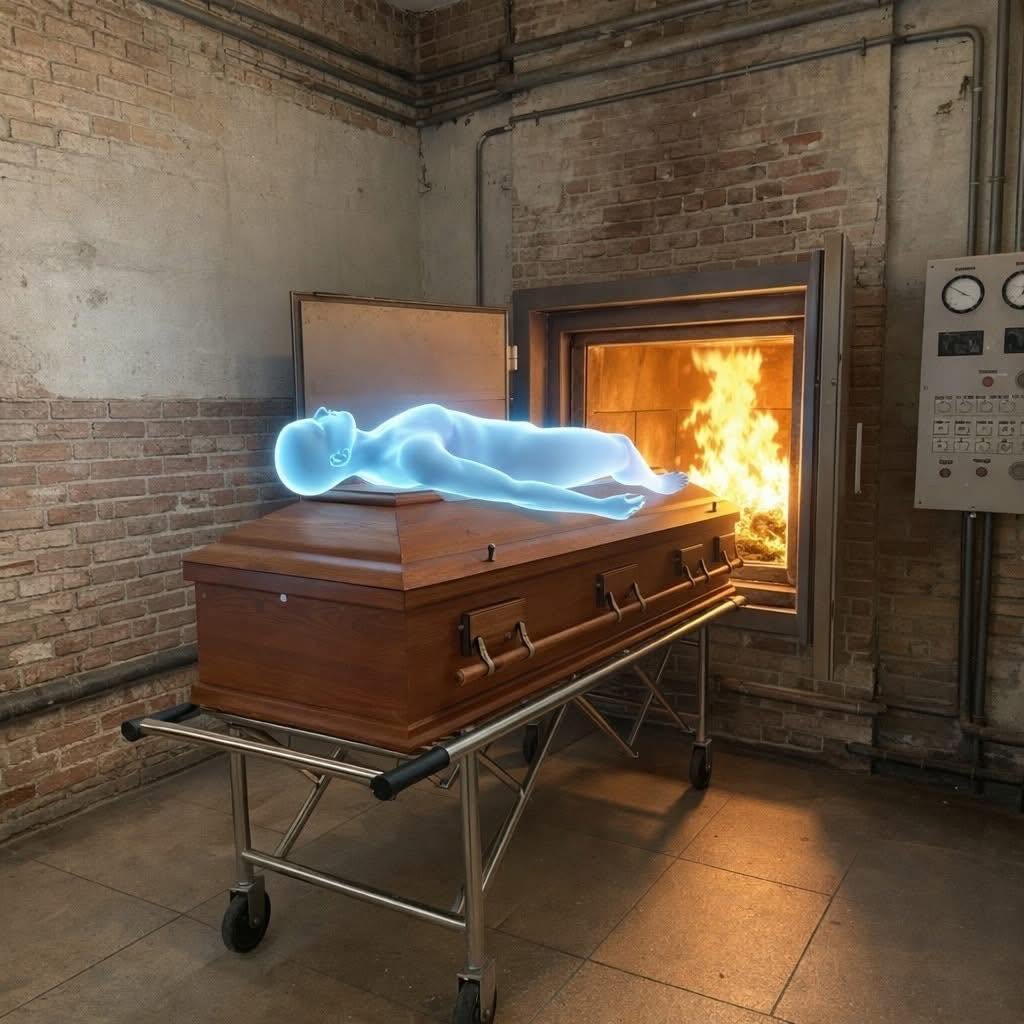
 Lifestyle
What Different Faith Traditions Say About Cremation
One Question About Death Continues Dividing Families and Faith Communities
As cremation becomes more common around the world, many people of faith are quietly asking the same difficult question:
Does cremation go against Scripture?
For some families, the decision is practical.
For others, deeply spiritual.
And behind the growing debate lies something far more emotional than funeral arrangements alone — questions about dignity, resurrection, tradition, and what happens after death.
Scripture Consistently Shows Burial as the Traditional Practice
Throughout sacred teachings, burial remained the most common way believers honored the dead.
Major biblical figures were laid to rest through burial, including:
Abraham burying Sarah
Jacob returning to his homeland for burial
Moses being buried according to God’s will
Jesus being placed inside a tomb
These moments reflected humility, patience, and reverence toward the human body even after death.
Burial was not treated merely as tradition.
It symbolized respect.
Burning Bodies Was Rarely Presented Positively
References to burning bodies in Scripture are extremely limited and usually connected to extraordinary circumstances such as:
War
Judgment
Disaster
Punishment
Emergency situations
These examples were not described as ideal funeral customs, but as responses to crisis conditions.
That distinction continues shaping how many believers view cremation today.
The Human Body Is Described as Sacred
One of the strongest themes throughout Scripture is the idea that the human body carries dignity because it was created by God.
The body is repeatedly described as:
A trust
A responsibility
Part of divine creation
Because of this, many religious communities continue viewing burial as the most respectful way to return the body to the earth.
For some believers, cremation feels emotionally difficult because it appears to conflict with that sense of sacred care.
Does Cremation Affect Resurrection?
One of the most common fears surrounding cremation involves resurrection and life after death.
But many scholars emphasize that divine power is not limited by physical remains.
Throughout history, countless people have died in:
Fires
Floods
Wars
Natural disasters
Situations where bodies were never recovered
Faith traditions generally teach that resurrection depends on God’s power — not the condition of physical remains.
Why Many Believers Still Prefer Burial
Even without a direct biblical prohibition against cremation, many people continue preferring burial for spiritual and symbolic reasons.
 Up Next: Page 2 of 2
Supporters of burial often say it reflects:
Humility before God
Continue Reading