 Lifestyle
She Visited a Remote African Community—What Happened Next Changed Her Perspective
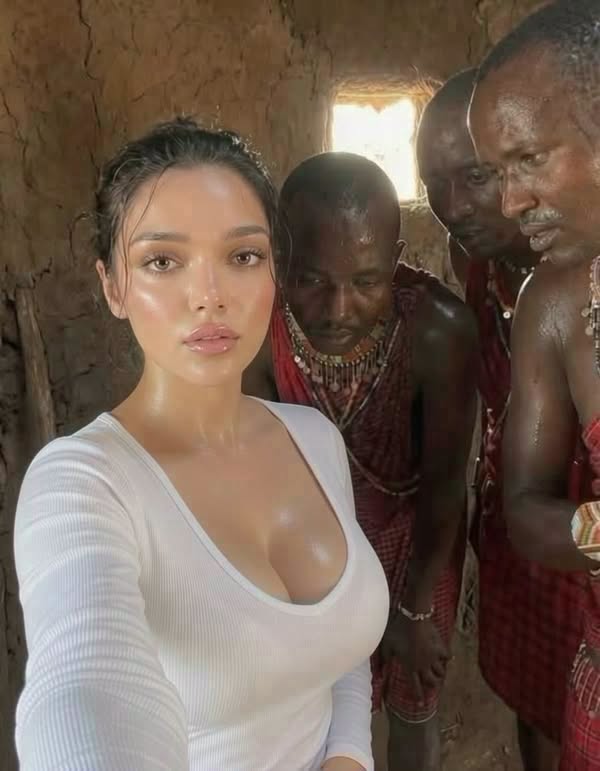
When she first decided to visit a rural community in Africa, she wasn't sure what to expect.
She had seen photographs, read travel stories, and heard people describe traditional communities as places where daily life could look very different from what she was accustomed to.
But she also knew that no photograph or story could fully explain what it was like to meet people and experience their way of life firsthand.
So she decided to go with an open mind.
A Journey Far From Home
The journey took her away from busy streets and familiar surroundings.
As she traveled farther from the city, the landscape changed. Roads became quieter, buildings were more widely spaced, and the pace of daily life seemed less hurried.
Eventually, she arrived at the community she had come to visit.
She was greeted by local residents who were curious about where she had come from and why she wanted to learn about their lives.
What surprised her most wasn't something dramatic.
It was how quickly an unfamiliar place began to feel welcoming.
More Than a Tourist Experience
Instead of simply taking photographs and leaving, she spent time talking with people.
She learned about their families, work, food, celebrations, and everyday routines.
Some traditions were unfamiliar to her.
Others reminded her of things she had experienced at home.
She began to realize that the community wasn't simply a collection of unusual customs.
It was made up of individuals with different personalities, opinions, responsibilities, hopes, and experiences—just like communities everywhere.
Sharing a Meal
One of the moments she remembered most clearly was sharing a meal with local residents.
The food was simple, but the experience was meaningful.
People talked, laughed, and shared stories.
She had initially wondered whether she would feel out of place.
Instead, the meal became an opportunity to connect.
She later reflected that hospitality doesn't always require elaborate surroundings.
Sometimes it begins with something as simple as making room for another person at the table.
Learning Through Conversation
During her visit, she asked questions about daily life.
How did people spend their days?
What traditions were important to their families?
How were children taught?
 Up Next: Page 2 of 2
What changes had the community experienced over the years?
The answers challenged some of the assumptions she had arrived with.
Continue Reading