 Home & Living
Hidden Fangs in the Brush: Why Snake Identification Should Never Come Before Safety
What began as an ordinary hunting trip quickly turned into a frightening encounter with the unknown. Moving through thick vegetation, a hunter suddenly found himself facing a danger he could barely see. Hidden beneath the brush was a snake, and before he could fully understand what had happened, he had been bitten.
In the moments that followed, questions raced through his mind. What kind of snake was it? Was it venomous? How serious was the bite? And perhaps most frightening of all, how much time did he have before the effects began to appear?
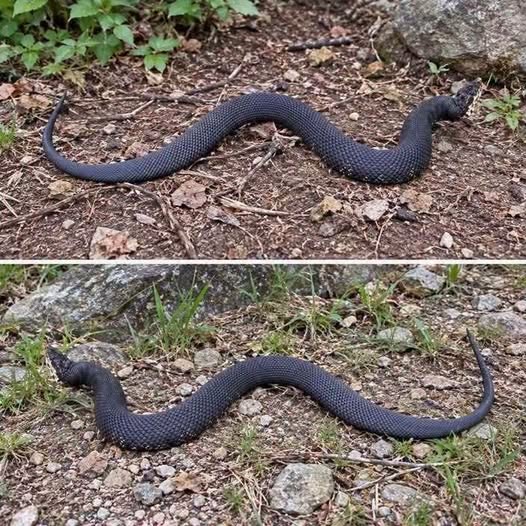
The dense undergrowth made it difficult to get a clear look at the animal. Its markings, shape, and other identifying features were not immediately obvious, leaving the hunter uncertain about the potential danger. He managed to take a photograph from a safe distance, hoping the image might eventually help identify the snake. But even a photograph could not provide the certainty he needed in that moment.
Recognizing that remaining near the animal would serve no useful purpose, he moved away from the area and sought medical attention. What had started as a routine day outdoors had suddenly become a situation in which every decision mattered.
At the hospital, the initial evaluation brought some reassurance. According to the account, the hunter did not develop severe signs of envenomation during his medical assessment. He was not experiencing the kind of dramatic symptoms that many people associate with a dangerous snakebite, and that offered a measure of relief.
Yet the absence of severe symptoms did not mean the danger could be dismissed.
Medical professionals understood that snakebites can be unpredictable. Depending on the species, the amount of venom injected, and the individual's response, symptoms may develop gradually rather than appearing immediately. A person can initially feel relatively well and still require careful observation and treatment.
For that reason, the medical team continued monitoring the hunter rather than relying solely on how he felt at the time. They needed to watch for changes, assess the bite, and determine whether further treatment would become necessary.
 Up Next: Page 2 of 5
The uncertainty surrounding the snake's identity made the situation more complicated, but...
For many outdoor enthusiasts, identifying wildlife is part of the experience. Hunters, hikers, campers, and photographers often learn to recognize animals by...
Continue Reading