Why Manila Remains Vulnerable to Urban Fires
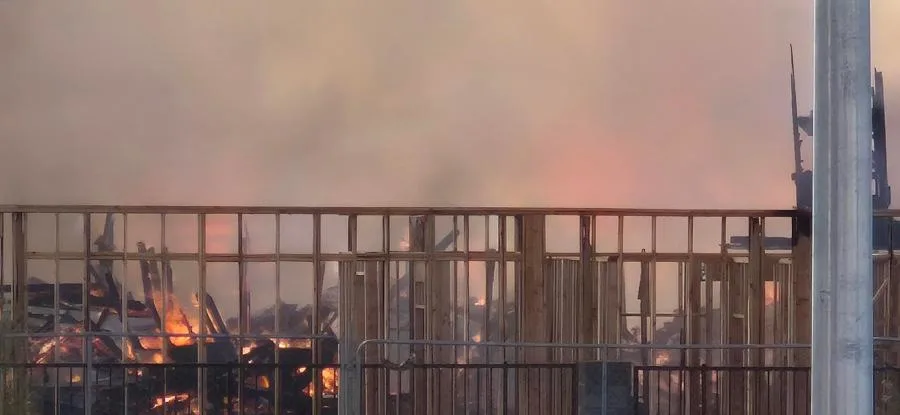
The incident highlights long-standing risk factors in Manila, such as:
- High population density
- Informal or makeshift housing materials
- Limited emergency access routes
- Electrical issues, such as overloaded circuits or aging wiring
Metro Manila records numerous fire incidents every year, especially during the dry season.
Residents Share Their Experiences
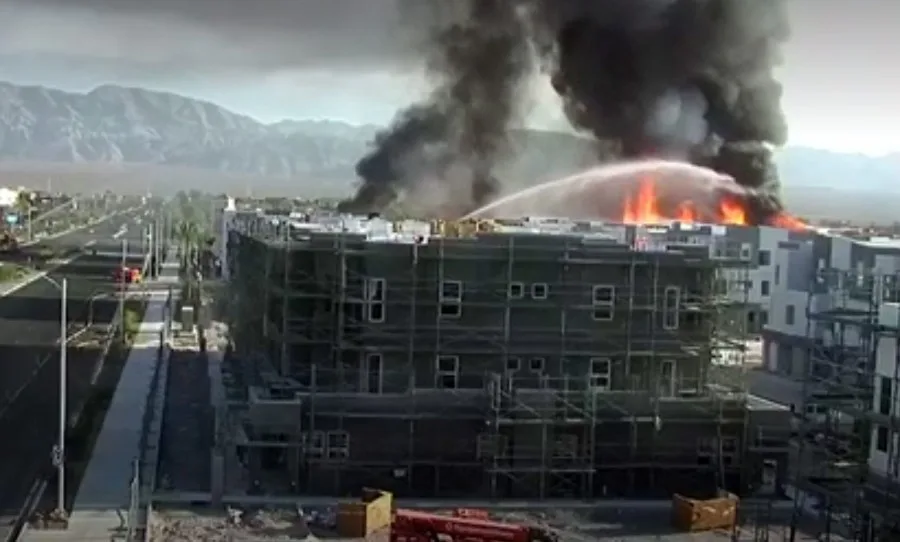
Many families expressed relief at being evacuated safely, though several lost their belongings. Community volunteers—often the first to respond before fire trucks arrive—played a key role in helping people escape and guiding them to shelters.
Government and NGO Support
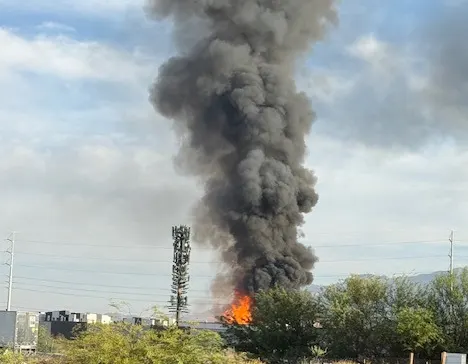
Local officials are coordinating short-term and long-term support, including temporary housing, financial aid, and medical assistance. Non-government organizations and community groups have launched donation drives to support affected families with food, clothing, and school supplies.
Larger Issues for Manila’s Future
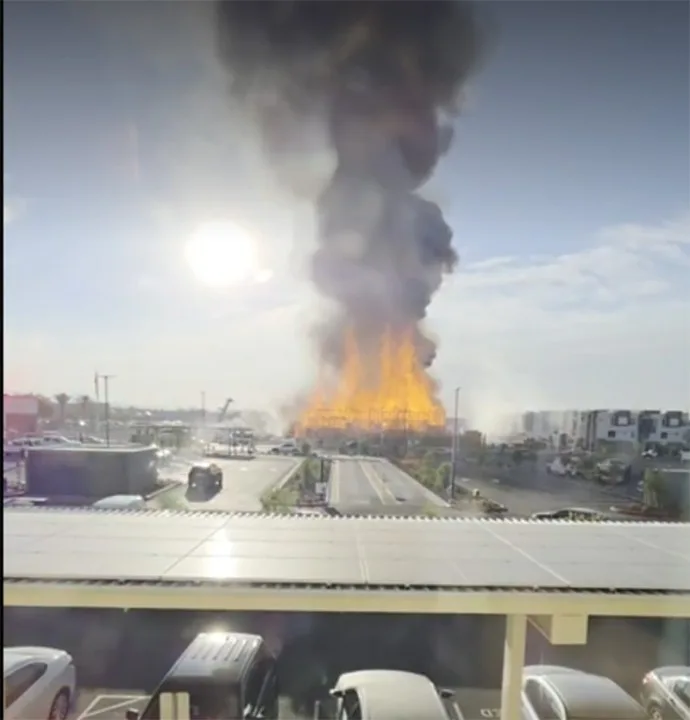
Urban planning experts note that this fire is part of a broader issue faced by rapidly growing cities. Improving infrastructure, enforcing building standards, and expanding community education about fire safety are essential steps in reducing risk.
Efforts to upgrade housing and strengthen safety measures have been discussed for years; however, challenges such as funding limitations and population density make implementation slow.
Looking Ahead
Authorities continue to investigate the cause of the fire. Officials emphasize that improving prevention—through better planning, safer housing, and stronger emergency systems—is just as important as responding to disasters.
For now, the focus remains on helping families recover and rebuild. Community support has been strong, showing once again how people in Manila come together in difficult times.
 Read Next Story →
Shocking Verdict Karmelo Anthony Sentenced After Teen Football Star’s Tragic Death… See more
More Stories You May Like
See More →


Ellis did the general assignment grind at a small daily for a decade, which means he can cover a hailstorm, a weird animal sighting, and a relationship trend in the same afternoon and make all three worth reading. He likes stories with a person in them, not just facts.
More from Ellis →