The donor matters too.
And when something goes wrong, the consequences can extend far beyond the hospital.
Families may struggle with fear, guilt, exhaustion, and questions that have no easy answers.
Was the sacrifice worth it?
Would they make the same decision again?
How do you thank someone who risked their health for you when you are watching them struggle because of that decision?
There are no simple answers.
More Than a Medical Story
What makes this case so heartbreaking is that it cannot be reduced to statistics.
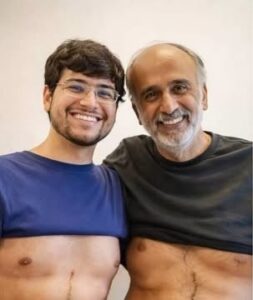
Behind every transplant is a relationship.
A father.
A son.
A family waiting for good news.
A person lying on an operating table because someone they love needs another chance.
Medicine can measure surgical risk.
It can measure recovery.
It can measure complications.
But it cannot easily measure love.
The son did not make his decision because he was promised a perfect outcome.
He made it because his father was worth the risk to him.
That distinction matters.
His courage is not erased by what happened afterward.
If anything, the difficult outcome makes the magnitude of his decision easier to understand.
He knew there were risks.
He chose to help anyway.
The Questions That Remain
Cases like this also raise important questions about what happens after donation.
How closely should living donors be monitored?
How long should medical follow-up continue?
What emotional support should be available?
What financial protections should exist when a healthy person becomes unable to work because of complications from donating?
And how can transplant programs make sure donors continue to receive care long after the headlines disappear?
Donation should never be viewed as a single act that ends when the surgery is over.
For the donor, it can become a lifelong part of their medical and emotional history.
 Up Next: Page 4 of 4
That deserves lifelong attention.
For this family, there is no neat ending yet.
Continue Reading