
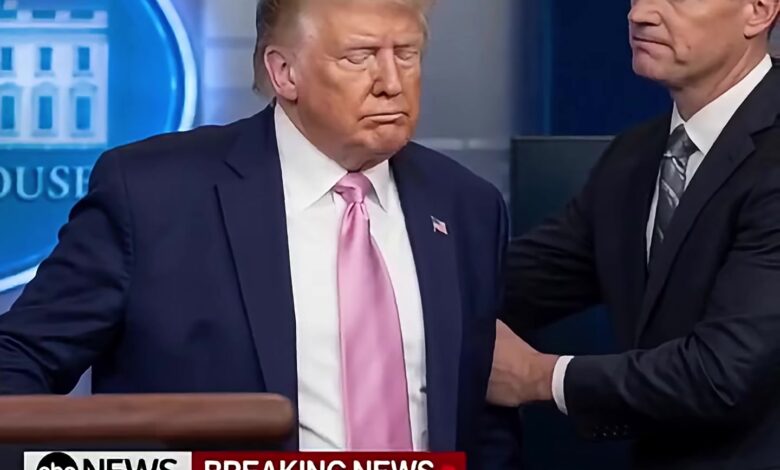

Washington was shaken by a single presidential order.
Trump federalized the city, flooding the streets with federal agents and the National Guard.
Crime dropped sharply, but immigration arrests surged tenfold. Some residents finally feel safe, while others see a city turning into a zone of constant surveillance, with unmarked cars and aggressive stops.
Now Washington is left facing a fundamental question: what does safety really mean—and who pays the price for it?
The order changed the visible rhythm of the capital. Federal personnel appeared at transit stations and busy intersections, while National Guard units supported patrols and logistics. Officials presented the deployment as a rapid response to violent crime and public disorder. Supporters pointed to reported reductions in several categories of crime and said residents deserved immediate protection rather than another round of promises.
The immigration consequences were just as significant. When federal agencies operate together, a routine stop or arrest can lead to an immigration check that would not have occurred during ordinary local policing. Families and advocacy groups described a new fear of approaching officers, reporting crimes, or appearing in public spaces. That concern can undermine cooperation even among people who are not accused of any offense.
Continue reading next page…