
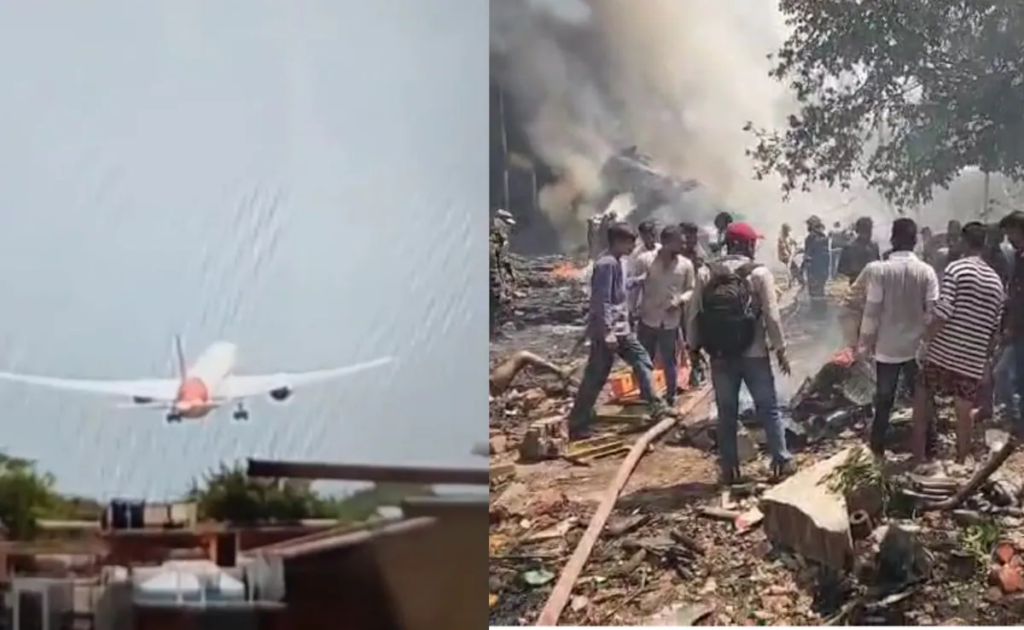
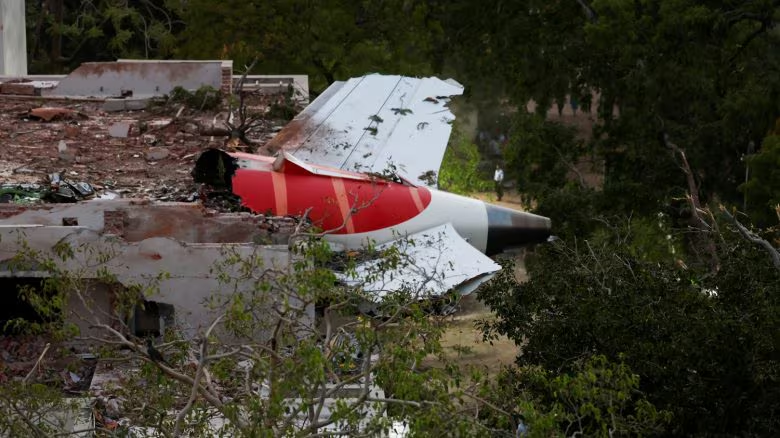
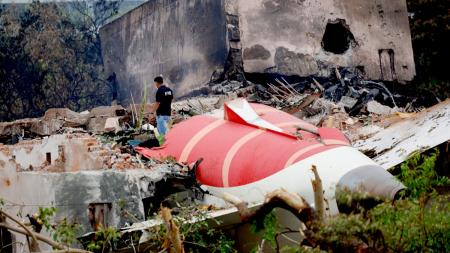
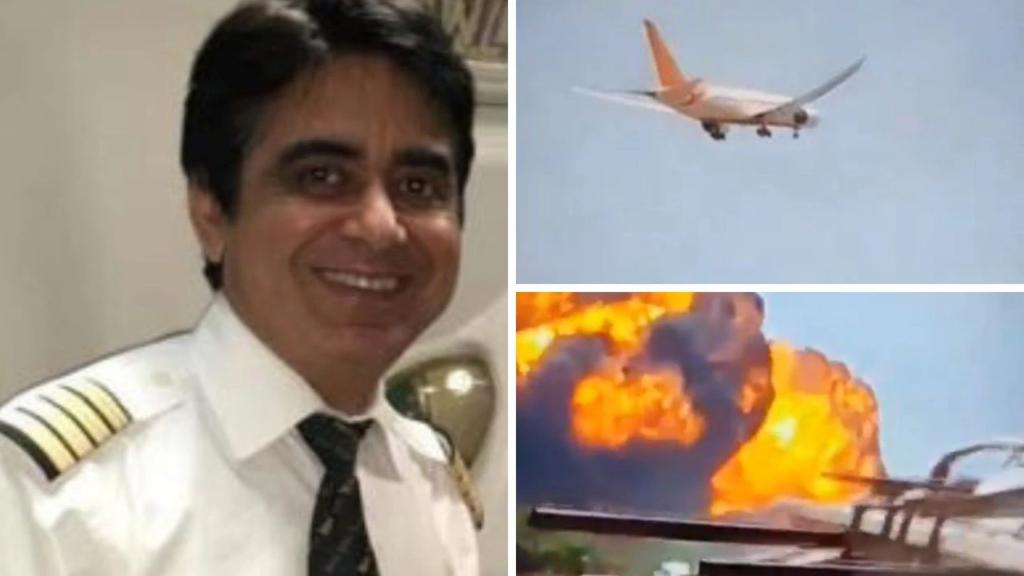
A critical emergency occurred on Air India Flight AI-171 shortly after departing from Sardar Vallabhbhai Patel International Airport in Ahmedabad, bound for London Gatwick. The Boeing 787 Dreamliner’s pilot issued a Mayday call within seconds of takeoff—a distress signal that alerted air traffic control and emergency teams immediately. Despite the quick response, the aircraft tragically crashed in Meghaninagar around 1:39 PM IST, sending plumes of smoke into the air as first responders rushed to the scene.
What Is a Mayday Call?
“Mayday” is an internationally recognized distress signal used in aviation and maritime communications for life-threatening emergencies. The signal is repeated three times—“Mayday, Mayday, Mayday”—to ensure it is clearly understood and prioritized.
The word originates from the French phrase m’aider, meaning “help me,” and has been used in aviation since the 1920s. It serves a different purpose than a Pan-Pan call, which is used for non-life-threatening issues like minor technical problems or medical concerns.
A Mayday call indicates immediate danger and can involve situations such as:
- Engine failure
- Fire on board
- Structural damage
- Rapid cabin depressurization
- Severe weather
- Critical medical emergencies
How a Mayday Call Works
When a pilot issues a Mayday, they provide key information to help coordinate emergency support, including:
- Aircraft type and identification
- Current location and heading
- Nature of the emergency
- Altitude and fuel status
- Number of people on board
- Pilot intentions
Air traffic control then prioritizes the aircraft, suspends non-essential communications, and alerts emergency services. Nearby airports may also be notified to prepare for possible diversion, ensuring all resources are ready for a swift response.
Legal Guidelines
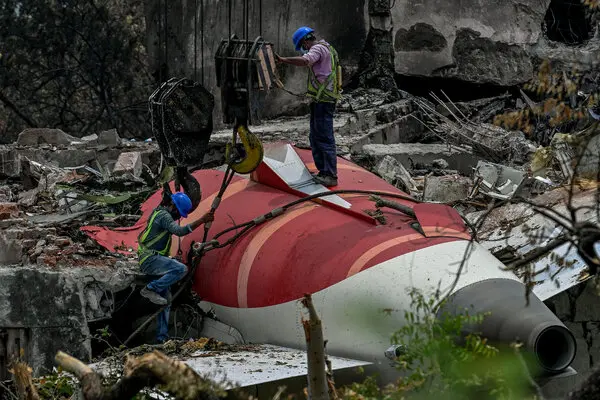
Issuing a Mayday is strictly regulated. False distress calls are a criminal offense in most countries, and pilots are trained rigorously on when and how to declare an emergency. These rules ensure that distress calls are genuine and help prevent unnecessary disruptions in air traffic.
Importance in the Ahmedabad Crash
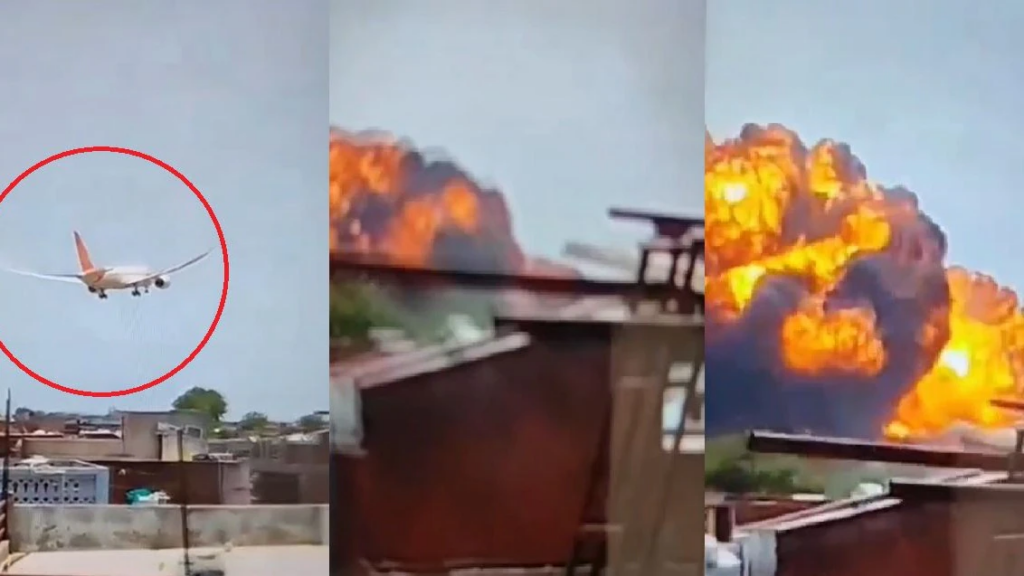
The Mayday call from Flight AI-171 allowed rescue teams to respond immediately, even though contact with the plane was lost soon after. This communication provides crucial data for investigators to reconstruct events, determine the cause of the crash, and evaluate the performance of safety protocols.
Authorities such as the Directorate General of Civil Aviation (DGCA) and the Air Accident Investigation Bureau (AAIB) are using the information to analyze potential causes, whether technical issues, environmental factors, or other influences.
Lessons for Aviation Safety
- Pilot Training: Real-life emergencies like this reinforce the need for regular simulations and safety briefings.
- Emergency Readiness: The response highlights the importance of coordination between air traffic control and airport emergency teams.
- Aircraft Systems: The incident may prompt reviews of aircraft design, real-time telemetry, and communication redundancies to further improve flight safety.
Conclusion
The Mayday call from Air India Flight AI-171 was a crucial step in emergency response, demonstrating the professionalism of the flight crew under extreme pressure. Although the crash resulted in tragic loss, the distress signal helped activate rescue operations and provides vital information for ongoing investigations. Understanding Mayday procedures underscores the layers of aviation safety designed to protect lives in the air.