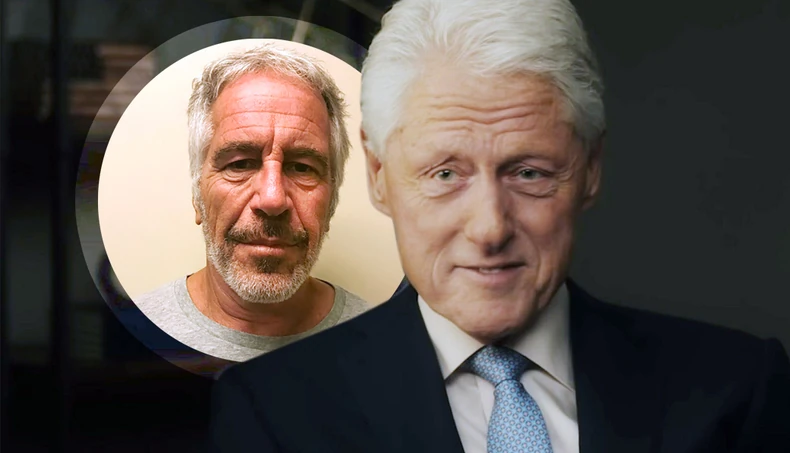
Background on Epstein Files
Jeffrey Epstein, who died in federal custody in 2019, was a financier and convicted sex offender with extensive social and business connections. Since his arrest, hundreds of thousands of pages of court documents, depositions, and investigative files have been made public, though many remain heavily redacted to protect minors, witnesses, and ongoing investigations.
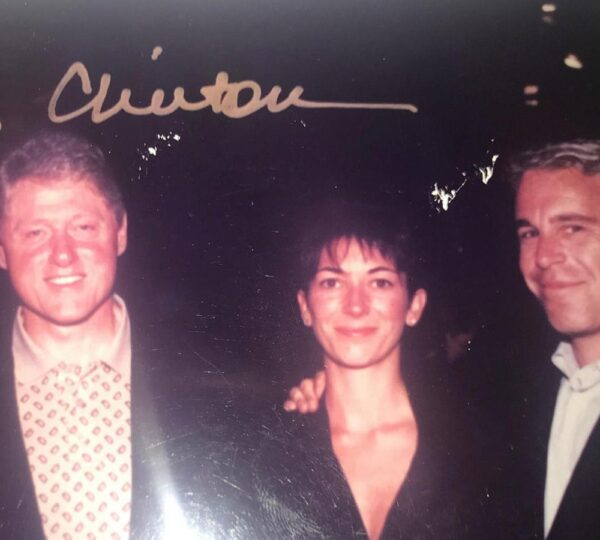
Clinton’s team maintains that selective redactions can distort public understanding, particularly when photographs or partial documents are shared online. While the records show Clinton in social settings with Epstein and Maxwell, there is no evidence of wrongdoing.

Concerns About Public Perception
Ureña stressed that partial disclosure can mislead the public, noting that images or excerpts without full context often generate speculation about individuals who appear in the files. Clinton’s call for full transparency is meant to provide the public with complete information and prevent misinterpretation.
“Only full, unredacted transparency can prevent misinformation,” Ureña said. “Incomplete disclosure allows narratives to form based on what is hidden rather than what is factual.”
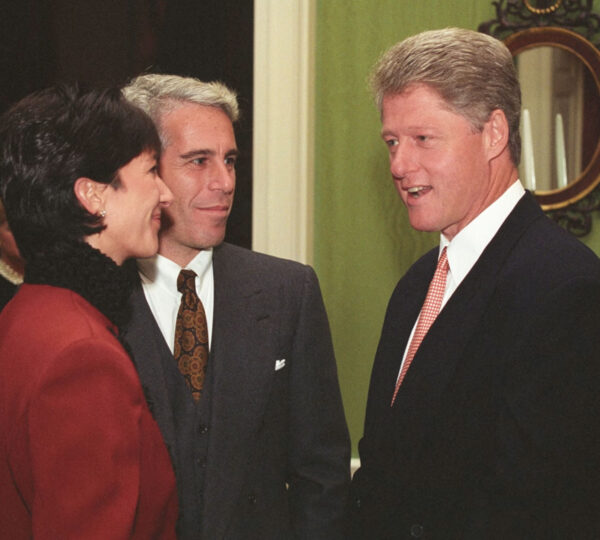
Clinton’s Historical Context with Epstein
Bill Clinton’s interactions with Epstein were primarily connected to philanthropic work and travel related to the Clinton Foundation. Reports show he used Epstein’s private jet for foundation-related trips and attended social events. Despite this association, no credible evidence links Clinton to Epstein’s criminal activities.
Legal and Ethical Considerations
The Epstein files are complex, spanning civil litigation, criminal cases, and ongoing legal matters. Redactions are necessary in many instances, but Clinton’s team argues they should not be so extensive that they misrepresent the facts.
By requesting full disclosure under the Epstein Files Transparency Act, Clinton’s office seeks a balance between protecting sensitive information and ensuring public understanding.
Public Interest and Trust
Clinton’s call reflects broader concerns about how government agencies handle high-profile cases and sensitive documents. Ureña emphasized that transparency strengthens public trust and ensures discussions are grounded in complete information rather than speculation.
Federal authorities have not yet indicated whether they will release fully unredacted records, and legal analysts note the challenge of balancing transparency with privacy and ongoing investigations.
Conclusion
Bill Clinton’s push for the full release of Epstein-related documents highlights the importance of accurate, contextualized information in high-profile cases. By seeking unredacted records, Clinton aims to protect public understanding, prevent misinformation, and promote confidence in both legal processes and media coverage.