Why Would a Snake Enter a Bathroom?
Snakes don't enter bathrooms because they are specifically looking for people.
Like other wild animals, they are generally responding to environmental conditions.
A bathroom or drainage area may occasionally provide:
- Shelter from weather
- Access to moisture or water
- A route through an existing opening
- Access to potential prey
A snake that unexpectedly encounters a person may react defensively, particularly if it feels trapped or threatened.
Where Is the Risk Higher?
The possibility of encountering wildlife indoors can vary depending on location and building design.
People living in areas with abundant snake populations may want to take extra precautions if their homes are near:
- Dense vegetation
- Rivers, ponds, or other waterways
- Open drainage systems
- Rural land
- Areas affected by flooding
Outdoor bathrooms and structures with damaged plumbing or unsealed openings may also require additional attention.
That doesn't mean residents should expect snakes to appear. It simply means that sensible maintenance can reduce opportunities for wildlife to enter.
Simple Ways to Reduce the Risk
There are several practical steps property owners can take.
Check for gaps around pipes and other openings where animals might enter. Keep exterior areas reasonably clear of excessive vegetation and debris, and make sure appropriate screens or covers are properly maintained.
After major storms or flooding, inspect areas around the home for signs of animal activity.
In regions where snakes are common, local wildlife authorities can provide advice about suitable drain covers, plumbing arrangements, and building-specific precautions.
What Should You Do If You Find a Snake?
The safest response is usually to give the animal plenty of space.
Don't attempt to grab it, trap it, or kill it yourself.
If possible without approaching the snake, move away from the area and keep children and pets at a safe distance. Contact local wildlife professionals or emergency services if the situation presents an immediate danger.
 Up Next: Page 3 of 3
A photograph may help professionals identify the species, but only take one...
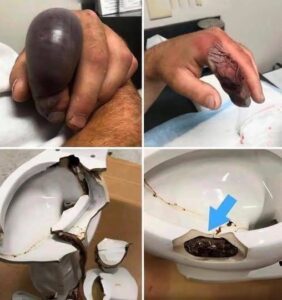
A snake bite should be treated seriously, especially when the species is unknown or venomous snakes are present in the region.
Continue Reading