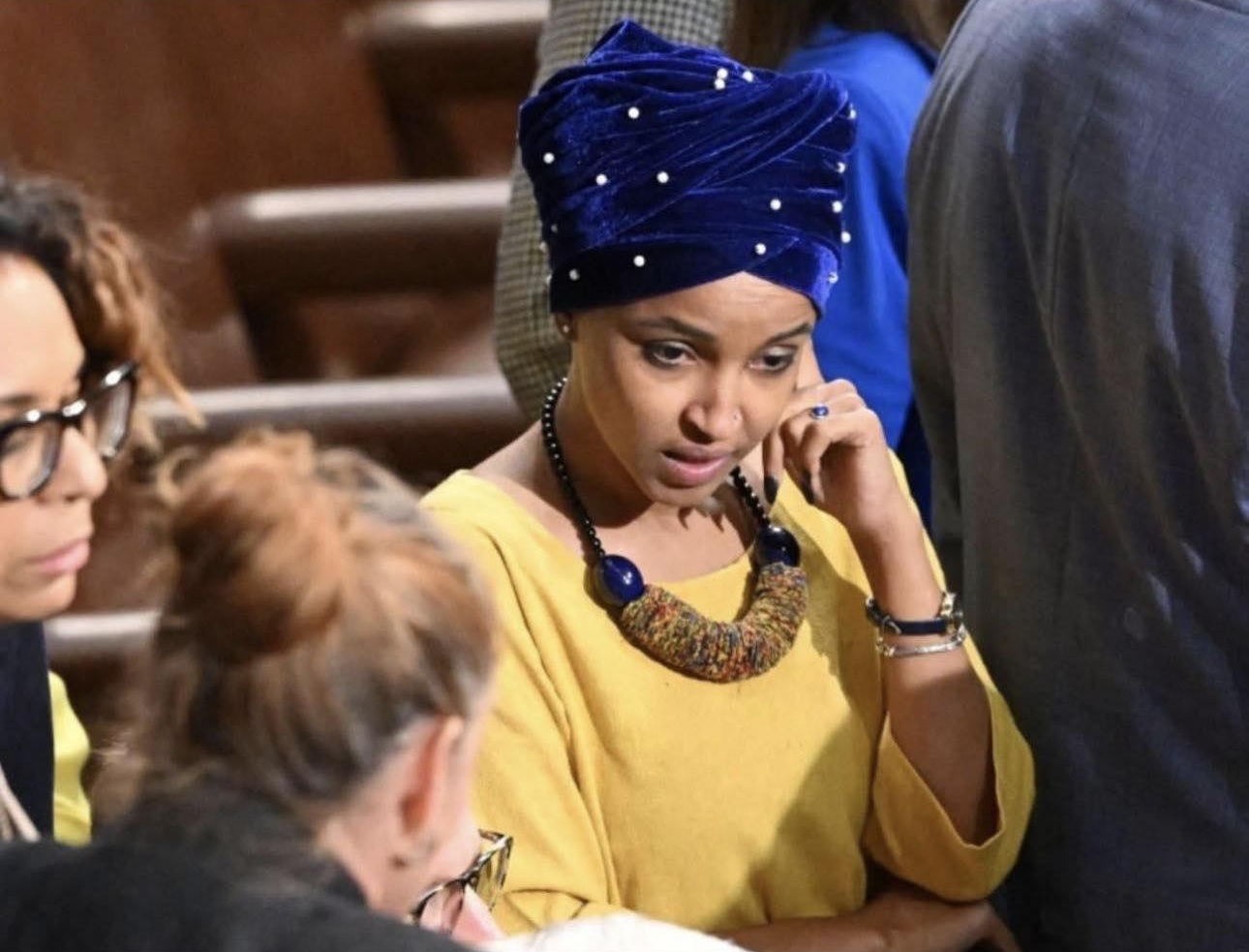
Fine’s statement went beyond standard political criticism and was widely viewed as targeting Omar on a personal and legal level rather than challenging her policy positions. Critics from across the political spectrum warned that such language risks undermining democratic norms by shifting political disagreement into attacks on citizenship and personal legitimacy.
During his remarks, Fine portrayed Omar as emblematic of what he described as broader failures in immigration and social welfare systems. He referenced allegations of misconduct connected to Minnesota, though no criminal findings or court rulings have established wrongdoing by Omar. Fact-checking organizations and legal analysts cautioned that repeating unproven claims can blur the line between accountability and misinformation.
The controversy intensified after former President Donald Trump renewed criticism of Omar, and former immigration official Tom Homan confirmed that the Department of Homeland Security had reviewed aspects of Omar’s immigration history. DHS has not announced any formal action, and no legal proceedings have been disclosed.
Omar, a former refugee who became a U.S. citizen and was later elected to Congress, has long been a polarizing figure in national politics. Supporters argue that the current rhetoric reflects an effort to use immigration law as a political tool rather than a neutral legal framework.
Legal experts emphasize that removing or targeting an elected official through immigration mechanisms would raise significant constitutional concerns. The U.S. Constitution outlines clear processes for disciplining or removing members of Congress, and any deviation from those processes could set a far-reaching precedent.
As debate continues, the situation has become a broader test of political restraint and institutional norms. Observers note that the outcome may influence how future political conflicts are handled—and whether they remain grounded in law, evidence, and democratic procedure rather than escalation and personal attacks.