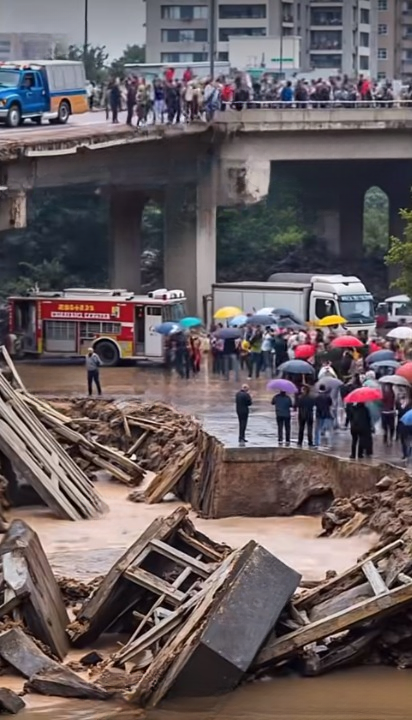
Early Monday morning, a powerful 7.7-magnitude earthquake shook the border region between China and Myanmar, sending shockwaves across Southeast Asia. What began as a quiet morning quickly turned into panic as residents felt intense tremors that toppled household items, cracked walls, and forced families to rush outdoors for safety.
Areas Affected
The earthquake’s reach extended far beyond the epicenter:
- Yunnan Province, China – significant structural damage reported, including collapsed homes and public buildings.
- Myanmar – entire villages experienced destruction, with older buildings collapsing and thousands displaced.
- Northern Thailand – cities like Chiang Rai and Chiang Mai reported swaying buildings and evacuation of public spaces.
- Even Bangkok, over 700 kilometers away, experienced noticeable tremors.
Impact on People and Infrastructure
The quake caused severe damage to roads, bridges, and schools, leaving hundreds injured and dozens confirmed dead. In Myanmar, remote areas were cut off due to landslides, complicating rescue efforts. Hospitals in affected regions reported an influx of patients with fractures and injuries caused by falling debris. Many residents were forced to stay in makeshift shelters overnight.
Emergency Response
Despite challenges such as blocked roads and communication disruptions, emergency services quickly mobilized. Rescue teams, volunteers, and organizations like the Red Cross and Red Crescent deployed resources, including tents, medical kits, and personnel, to assist displaced communities. Efforts to reach remote mountain villages continue, with some teams traveling on foot due to impassable roads.
Stories of Courage
Amid the devastation, acts of heroism have emerged:
- In China, a family was rescued from under rubble after several hours.
- In Myanmar, a schoolteacher shielded her students from falling debris, sustaining injuries herself.
- In Thailand, locals opened their homes to stranded residents.
These stories highlight the resilience and solidarity of communities affected by the quake.
Why This Earthquake Was Particularly Destructive
Experts note that the quake’s shallow depth—just 10 kilometers—amplified its impact. The region sits along the tectonic collision zone of the Indian and Eurasian Plates, historically prone to powerful earthquakes. Combined with vulnerable infrastructure, densely populated areas experienced severe damage.
Aftershocks and Ongoing Risks
Authorities have reported aftershocks above magnitude 5, which continue to endanger already weakened buildings. Rescue operations remain ongoing, focusing on locating survivors and providing essential aid, including food, water, medical care, and temporary shelter.
International and Regional Support
Neighboring countries and international organizations have offered assistance. Coordinated aid efforts aim to provide immediate relief and prepare for long-term recovery. Experts emphasize that the first 72 hours after a major quake are crucial for saving lives.
Long-Term Recovery
Governments and humanitarian organizations are planning the rebuilding phase, including:
- Restoring electricity, water, and communication systems.
- Reconstructing homes, schools, and hospitals to improved safety standards.
- Providing ongoing psychological support, particularly for children affected by trauma.
Looking Ahead
While the earthquake has caused significant loss and hardship, stories of courage and community support offer hope. This disaster underscores the importance of preparedness, resilient infrastructure, and humanitarian cooperation in earthquake-prone regions.
Natural disasters are inevitable, but the response and resilience of communities can help turn tragedy into an opportunity for rebuilding stronger, safer environments.