As more children are exposed to viral content online, many don’t fully understand the real-world dangers behind trending challenges. What may look harmless or fun on social media can sometimes lead to devastating consequences. One recent incident highlights why parental awareness and online safety education are more important than ever.
Read on to learn what happened and why experts are urging families to stay alert.
Whitney Grubb was preparing her car one morning so she could head out with her two children when she heard the microwave running inside her home. She assumed her 9-year-old son, Caleb Chabolla, was simply warming up breakfast before leaving.
Moments later, her assumption turned into panic.
A piercing scream came from the kitchen, prompting her to rush inside. What she found was terrifying: Caleb had placed a toy in the microwave—a popular sensory product known as the Needoh Nice Cube, often marketed to help relieve stress and reduce anxiety.
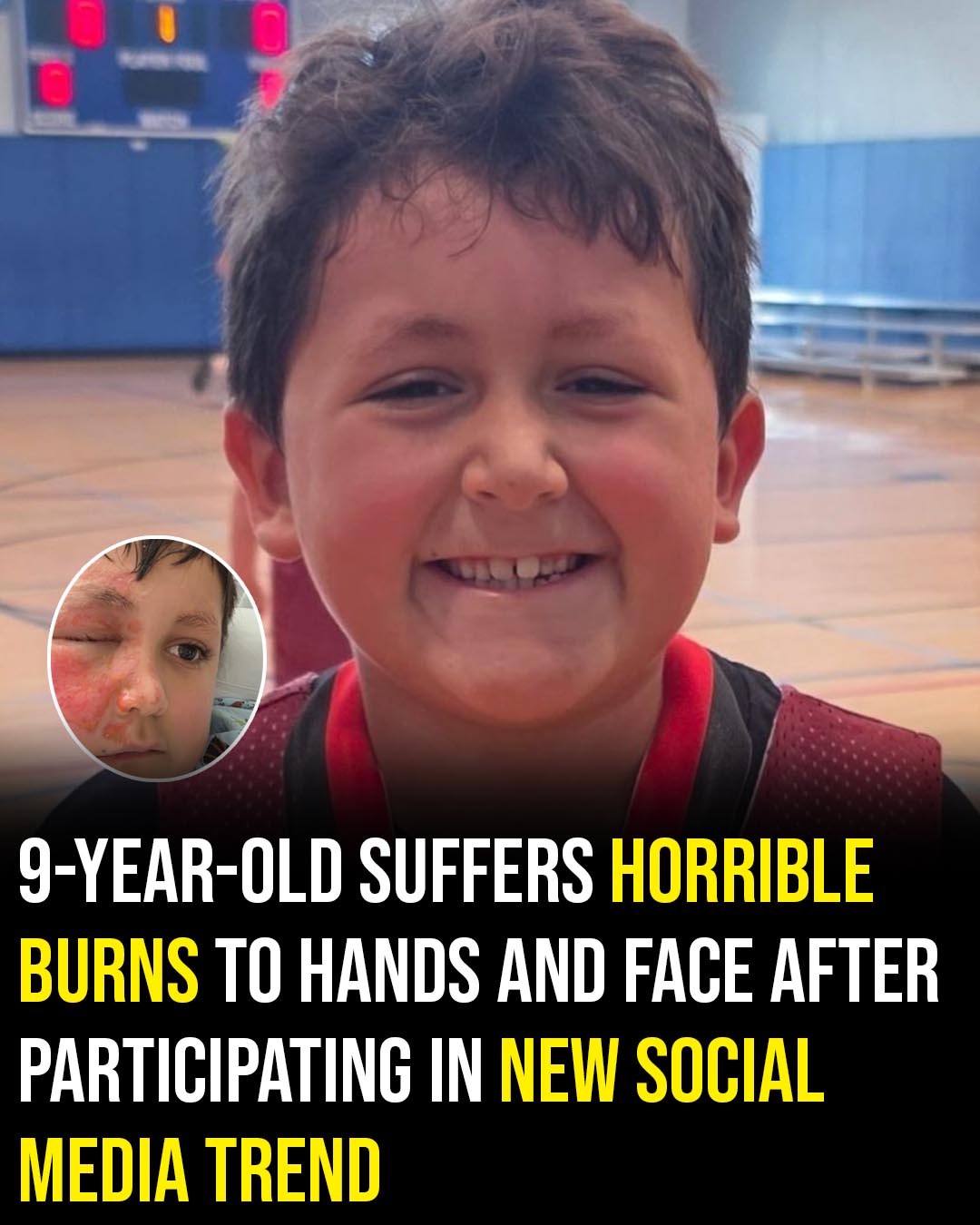
The toy, which contains a gel-like substance, overheated within seconds. When Caleb opened the microwave door, the cube burst open, spraying extremely hot gel onto his hands and face. The child later explained that he didn’t clearly remember the incident and had only heard about the idea from a friend. The same behavior has been circulating online as part of a viral TikTok trend.
This dangerous trend involves heating toys to make them softer or more flexible. However, experts warn that microwaves can raise the temperature of plastic and gel-filled products to nearly 200 degrees Fahrenheit in seconds. Most toys are never designed to withstand this level of heat, making the practice extremely unsafe.
Importantly, Caleb does not have social media accounts and never saw the challenge himself. Instead, he learned about it through word-of-mouth from another child.
His mother explained, “There was no bad intent. It was just kids talking, and sadly, he decided to try it.”
When Whitney realized her son had burning material stuck to his skin, she immediately put him under a cold shower to remove the substance before rushing him to the emergency room. Due to the seriousness of his injuries, doctors transferred him to Loyola Medicine’s Burn Center for specialized treatment.
Caleb remained hospitalized overnight, receiving care from burn specialists and an ophthalmologist after one of his eyes swelled shut when hot gel splashed near it.
Medical staff say this incident is not isolated. According to Paula Petersen, an advanced practice nurse at the burn center, this is already the fourth case this year involving children injured after microwaving Needoh cubes.
“Caleb was very fortunate that his injuries weren’t more severe,” Petersen said. “These online trends can be incredibly dangerous, especially for children who may not fully grasp the long-term consequences.”
Thankfully, Caleb’s eye injury was not permanent, and he has since returned to school.
Still, healthcare professionals continue to urge parents to talk with their children about online challenges and household safety. Loyola’s Outreach Coordinator, Kelly McElligot, emphasized that many viral videos only show the entertaining side of trends—not the injuries that follow.
“We frequently treat injuries linked to TikTok challenges,” she explained. “The kids who get hurt usually aren’t the ones posting videos. You only see the clips where it looks fun or harmless.”
McElligot also noted that everyday household items are a major source of pediatric burn injuries. “Whether it’s toys labeled ‘do not heat,’ hot noodles spilling from a microwave, or children pulling hot drinks off counters—these are situations we see every year.”
She added that approximately 30% of burn center patients are children, underscoring the need for constant supervision and proactive childproofing at home.
This incident serves as a powerful reminder of the risks associated with viral social media trends and the importance of parental guidance, online safety education, and injury prevention.
Sharing this story may help raise awareness and prevent similar accidents from happening to other families.