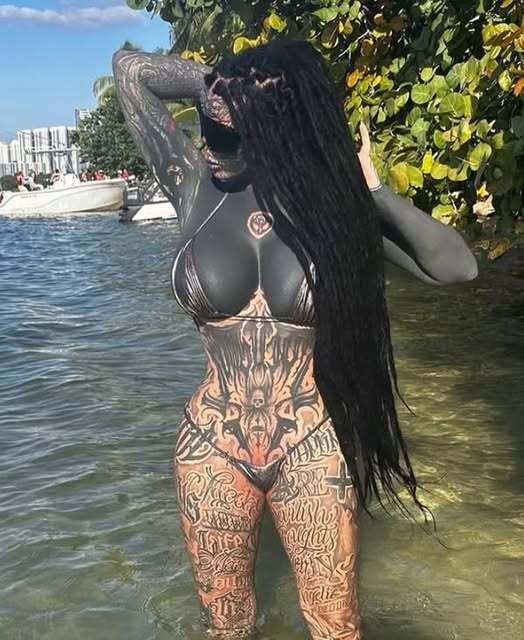
Tattoos, Identity, and the Stories We Wear on Our Skin
Tattoos have become one of the most recognizable forms of personal expression in modern culture. For some people, ink is more than decoration—it’s a visual diary that captures identity, beliefs, milestones, and memories. Whether it’s a small symbol with private meaning or a full sleeve designed to stand out, tattoos often represent choices that feel deeply intentional.
Why People Get Tattoos: Meaning Beyond the Design
Many individuals see tattooing as a way to mark important life moments—like overcoming hardship, celebrating recovery, honoring family, or remembering someone who’s passed away. In that sense, tattoos can function like permanent reminders of resilience, love, or transformation.
This is one reason tattoos are frequently tied to topics people care about most: mental health journeys, grief and healing, personal growth, and even faith. The artwork may be simple, but the meaning behind it can be life-changing.
Cultural and Spiritual Tattoo Traditions
In many communities around the world, tattooing has long carried cultural significance. Certain Indigenous traditions use tattoos as symbols of heritage, belonging, status, and spirituality. These designs aren’t just “body art”—they can be a form of storytelling that connects a person to ancestors, community history, and sacred values.