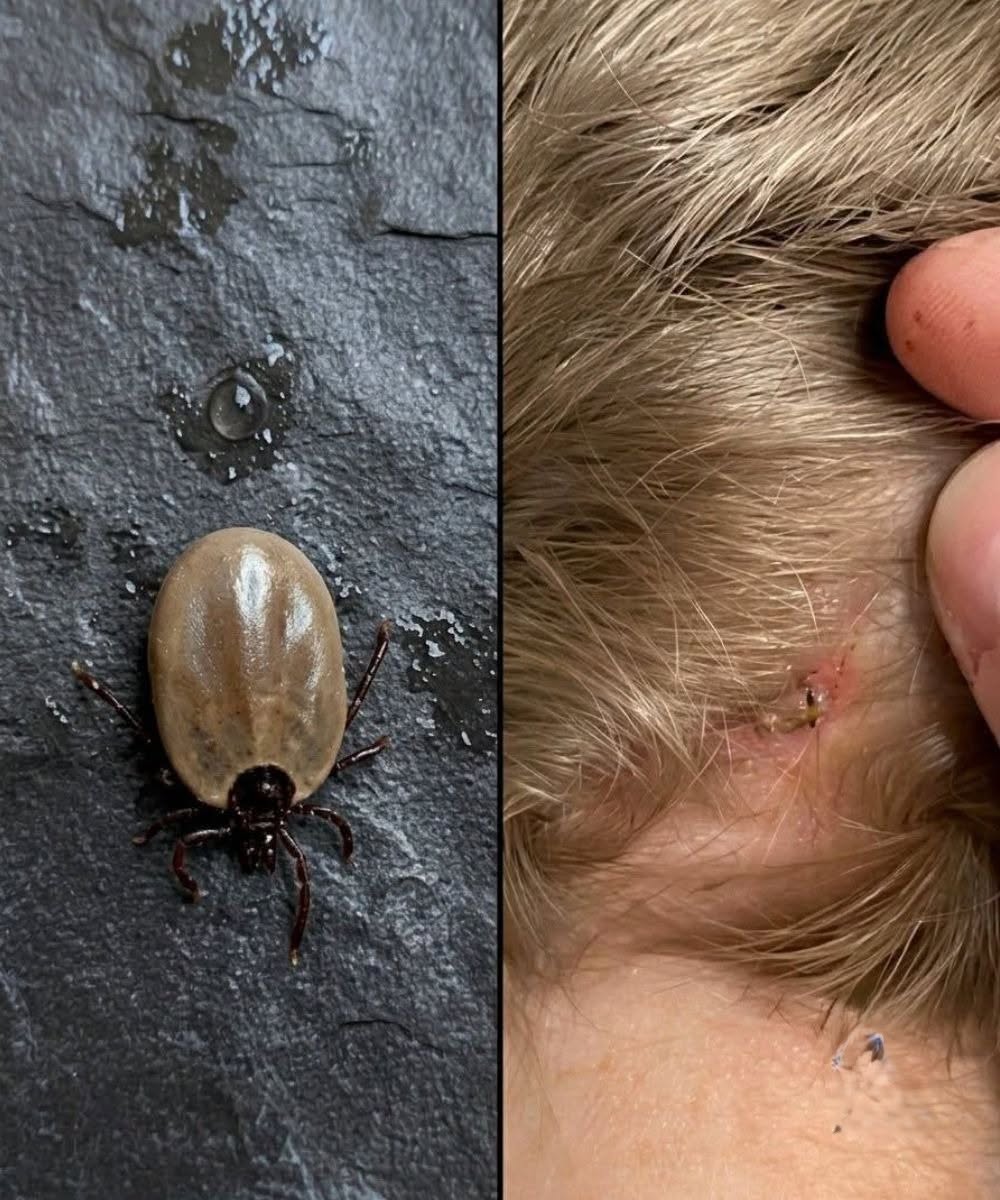
Finding a tick attached to your child’s skin can be unsettling, but the most important part comes after the initial panic. Removing the tick is only the first step. What parents notice in the hours and days afterward can make a real difference in getting the right care quickly.
A tick bite does not always lead to illness, and many bites heal without further problems. Still, some tick-borne infections can begin with symptoms that look ordinary at first, such as fever, tiredness, muscle aches, or a rash. That is why it helps to treat the bite as something worth monitoring rather than something to forget the moment the tick is gone.
Start With Careful Removal
If a tick is attached, careful removal matters. Fine-tipped tweezers are commonly recommended because they allow you to grasp the tick close to the skin and pull it out steadily. Crushing, twisting, or leaving parts behind can make the situation more stressful and may complicate cleaning the area.
After removal, clean the bite site thoroughly. It can also be useful to save the tick in a sealed bag or container in case a healthcare professional later wants to identify it. That small step may help with the conversation if symptoms develop.