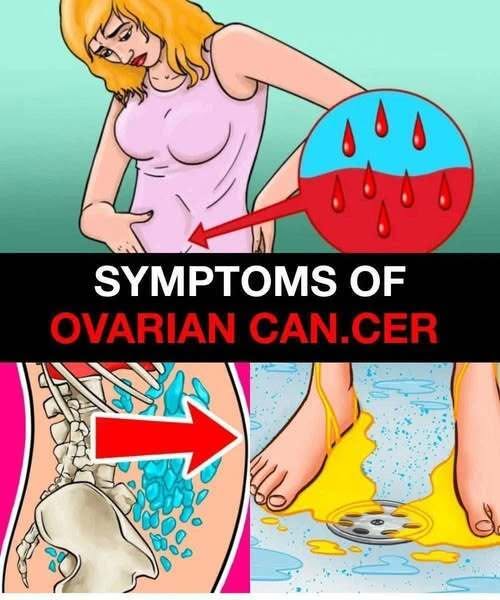
Some health changes are easy to explain away. Bloating after meals, pelvic discomfort, back pain, bathroom changes, or unusual fatigue can feel like everyday problems tied to stress, digestion, hormones, or aging. But when symptoms linger or start to feel different from your normal pattern, they should not be brushed aside.
Ovarian cancer can sometimes develop with symptoms that are vague rather than obvious. That does not mean every ache or digestive change is a warning sign. It does mean that persistent changes deserve attention, especially when they continue for more than two weeks, become more intense, or do not improve with usual remedies.
Symptoms That Can Be Easy to Overlook
Commonly reported warning signs may include ongoing bloating, pelvic or abdominal pain, lower back pain, changes in bowel habits, or needing to urinate more often than usual. These symptoms can overlap with many non-cancer conditions, which is why they are often dismissed at first.
Other changes can also matter. Feeling full after only a small amount of food, losing weight without trying, unexplained tiredness, changes in menstrual cycles, or any bleeding after menopause should be discussed with a healthcare provider.