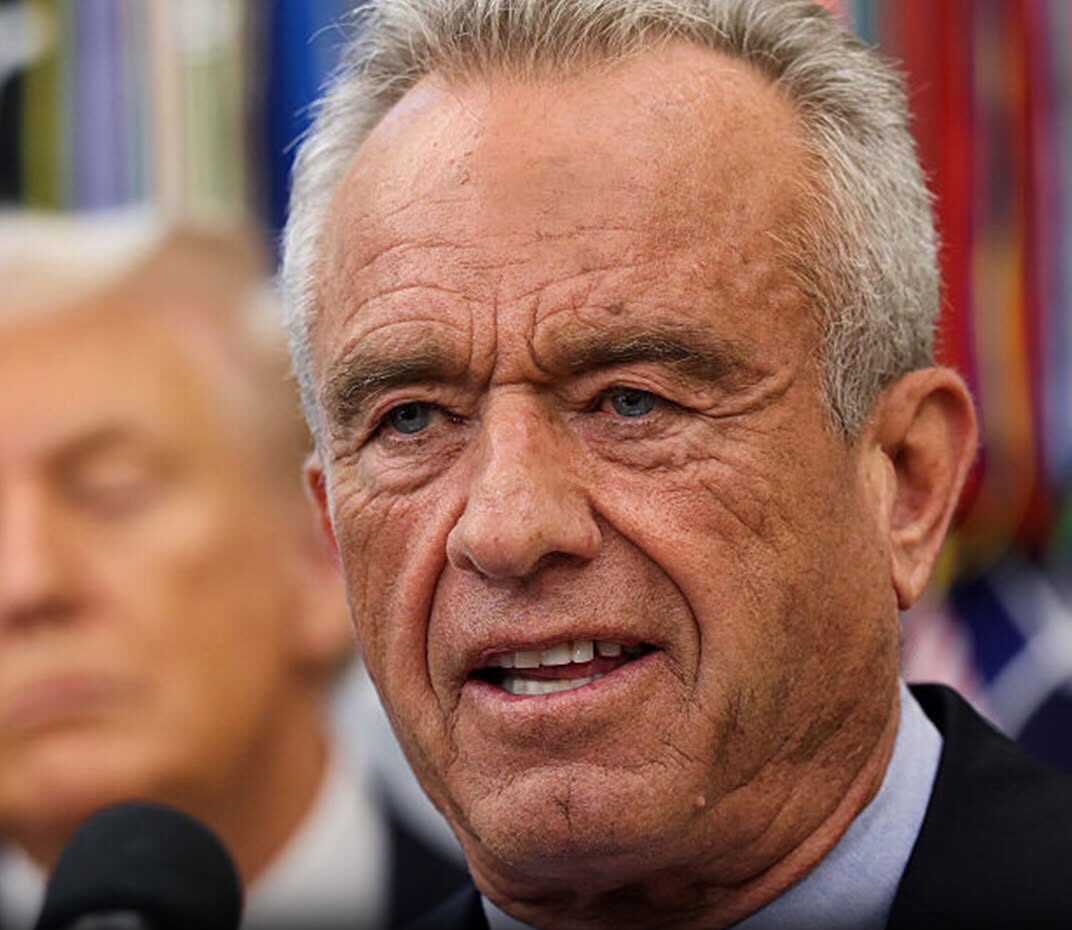
RFK Jr.’s Health Comments Spark Debate Over Evidence, Public Trust, and Medical Communication
A recent closed-door Cabinet meeting has drawn renewed attention to the role of public officials in discussing medical issues, after Health Secretary Robert F. Kennedy Jr. made comments linking common health topics to autism despite acknowledging that definitive proof is lacking.
The remarks quickly ignited discussion among medical professionals, researchers, advocacy groups, and policymakers, many of whom emphasized the importance of relying on established scientific evidence when addressing public health concerns.
Why the Comments Drew Immediate Attention
When senior government officials speak about health-related issues, their words can influence millions of people.
In this case, Kennedy’s statements touched on subjects that have long been debated in public discourse, including over-the-counter medications, pregnancy, and autism. The comments prompted swift responses from experts who cautioned against drawing conclusions without strong scientific support.
Researchers noted that public health recommendations should be grounded in rigorous studies, peer-reviewed evidence, and ongoing medical consensus rather than speculation.
The Importance of Evidence-Based Guidance
Medical experts stress that questions about drug safety and developmental conditions require extensive research before conclusions can be reached.
Because millions of families depend on accurate health information, officials and healthcare providers are encouraged to communicate carefully and distinguish between hypotheses, ongoing research, and well-established findings.
Clear messaging helps individuals make informed decisions in consultation with qualified medical professionals.
Continue reading on the next page…