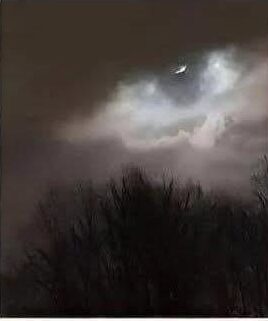
The Mysterious Cloud That Captivated the Internet—and What It Says About Human Perception
Sometimes, all it takes is a single photo of the sky to spark worldwide fascination.
An unusual cloud formation can quickly ignite debates online, with some viewers seeing faces, creatures, or mysterious symbols while others point to perfectly ordinary weather patterns. The real story, however, may be less about the clouds themselves and more about the remarkable way the human brain interprets what it sees.
Why We See Meaning in Random Shapes
Psychologists use the term pareidolia to describe our tendency to recognize familiar patterns in unrelated objects.
It’s the reason people spot animals in clouds, faces in rock formations, or figures in the moon. Our brains are naturally wired to search for order and meaning, often filling in gaps with recognizable images based on memory and experience.
This fascinating trait helps explain why one cloud can inspire countless different interpretations.
Nature Creates Spectacular Illusions
Many of the world’s most dramatic cloud formations have well-understood scientific explanations.
Atmospheric conditions involving moisture, temperature, wind, and sunlight can produce breathtaking displays, including:
- Lenticular clouds that resemble flying saucers
- Mammatus clouds with pouch-like formations
- Wave clouds shaped by shifting air currents
- Towering cumulonimbus clouds associated with storms
Although these formations may appear extraordinary, they are natural products of Earth’s dynamic atmosphere.
Continue reading on the next page…