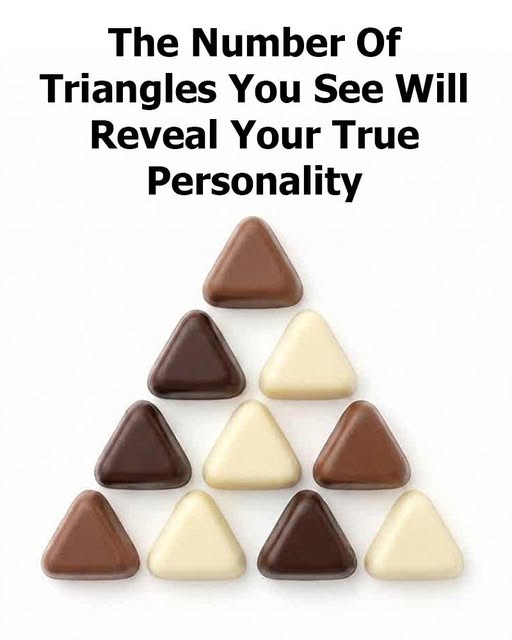
Some puzzles look simple until you actually try to solve them. A colorful triangle brain teaser may seem like a quick count-and-move-on challenge, but the more closely you inspect it, the more complicated it becomes.
That is what makes this type of visual puzzle so engaging. One person may glance at the image and count only the most obvious triangles. Another may slow down, look at the smaller sections, and start finding shapes hidden inside larger ones.
Before long, the answers can vary widely. That does not always mean someone is careless. It often shows how differently people process the same visual information.
Why People See Different Answers
When people look at a triangle puzzle, they do not all use the same strategy. Some focus first on the whole image, spotting the largest shapes and the clearest outlines. Others naturally break the picture into smaller parts and search for overlapping or nested triangles.