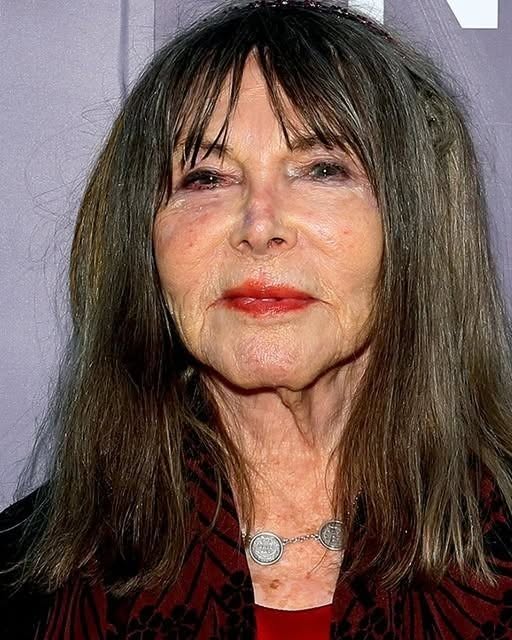
Lee Grant’s career began with the kind of momentum most actors spend a lifetime chasing. She had the screen presence, the critical attention, and the early role that made Hollywood take notice. Then, at a moment when the film industry was ruled as much by fear as by talent, her name became difficult for studios to touch.
Grant’s breakout came in Detective Story, a performance that placed her among the most promising actresses of the early 1950s. But the same period that made stars also destroyed careers. The House Un-American Activities Committee investigations and the Hollywood blacklist created an atmosphere where public associations, political suspicions, and even a few spoken words could affect whether someone worked again.
A Career Interrupted at Its Peak
The turning point came after the death of actor J. Edward Bromberg. Grant publicly connected his death to the pressure and distress tied to the HUAC investigations. In the climate of the time, that statement carried consequences.
Soon, the opportunities that had seemed certain began to disappear. Roles faded. Calls stopped. The industry that had recently celebrated her talent no longer treated her as a rising star. For Grant, the blacklist meant more than a professional pause. It took away years during a crucial stretch of her life and career.